
Journal Description
Journal of Composites Science
is an international, peer-reviewed, open access journal on the science and technology of composites, published monthly online by MDPI.
- Open Access— free for readers, with article processing charges (APC) paid by authors or their institutions.
- High Visibility: indexed within Scopus, ESCI (Web of Science), Inspec, CAPlus / SciFinder, and other databases.
- Journal Rank: JCR - Q2 (Materials Science, Composites) / CiteScore - Q1 (Engineering (miscellaneous))
- Rapid Publication: manuscripts are peer-reviewed and a first decision is provided to authors approximately 15.9 days after submission; acceptance to publication is undertaken in 3.9 days (median values for papers published in this journal in the second half of 2025).
- Recognition of Reviewers: reviewers who provide timely, thorough peer-review reports receive vouchers entitling them to a discount on the APC of their next publication in any MDPI journal, in appreciation of the work done.
Impact Factor:
3.7 (2024);
5-Year Impact Factor:
3.9 (2024)
Latest Articles
Mechanical, Degradation, and Impact Resistance of a Sustainable Coir Geotextile Composite Barrier for Landslide Mitigation
J. Compos. Sci. 2026, 10(2), 89; https://doi.org/10.3390/jcs10020089 (registering DOI) - 7 Feb 2026
Abstract
Flexible barrier systems are widely used for landslide and debris flow mitigation due to their ability to dissipate impact energy through large deformations. Conventional systems, however, rely on steel mesh components, which are associated with high environmental impact and durability concerns. This study
[...] Read more.
Flexible barrier systems are widely used for landslide and debris flow mitigation due to their ability to dissipate impact energy through large deformations. Conventional systems, however, rely on steel mesh components, which are associated with high environmental impact and durability concerns. This study examines the feasibility of a sustainable coir geotextile composite barrier as an alternative flexible barrier for mitigating small-to-moderate landslides. A woven geotextile barrier was developed using multi-strand coir ropes and evaluated through a comprehensive experimental program involving physical and mechanical characterization, accelerated degradation testing, incremental static loading, vertical drop impact tests, and sustained load retention tests. The developed barrier exhibited a high mass per unit area of approximately 3750 g/m2 and tensile capacities exceeding 2 kN at the rope level. Accelerated weathering tests revealed a limited reduction in tensile strength of approximately 5% after three years of exposure, whereas prolonged exposure of five years led to strength losses exceeding 70%, underscoring durability as a key design consideration. Static loading tests confirmed stable behavior up to 550 kg, and sustained loading of approximately 1700 kg was maintained over 48 h without loss of structural integrity. Vertical drop tests demonstrated impact resistance in the range of 6–51 kN, depending on the drop height, mass, and connection density. The results demonstrate that coir geotextile barriers can function as flexible, energy-dissipating composite systems suitable for sustainable landslide mitigation in moderate hazard scenarios.
Full article
(This article belongs to the Special Issue Composites: A Sustainable Material Solution, 2nd Edition)
Open AccessArticle
Rheological and Thermal Properties of Recycled Petroleum-Based Polyesters MWCNT Nanocomposite: Sustainable Materials
by
Kashif Ullah Khan, Zoltan Weltsch and Andrea Adamne Major
J. Compos. Sci. 2026, 10(2), 88; https://doi.org/10.3390/jcs10020088 (registering DOI) - 7 Feb 2026
Abstract
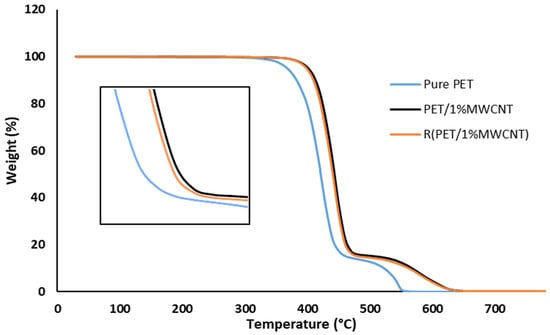
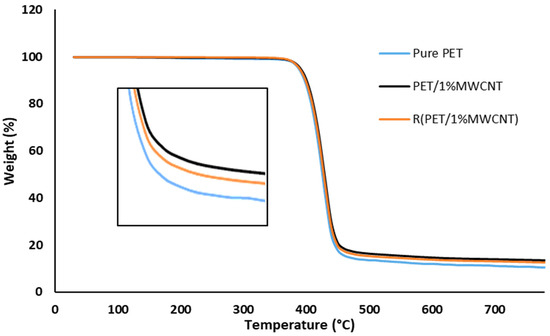
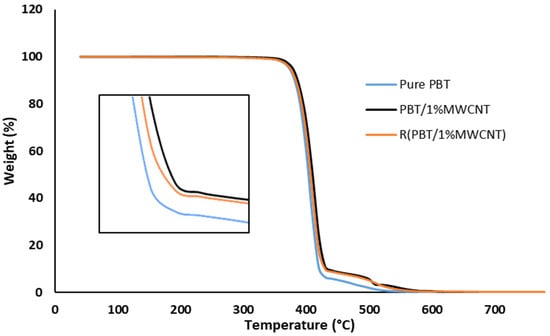
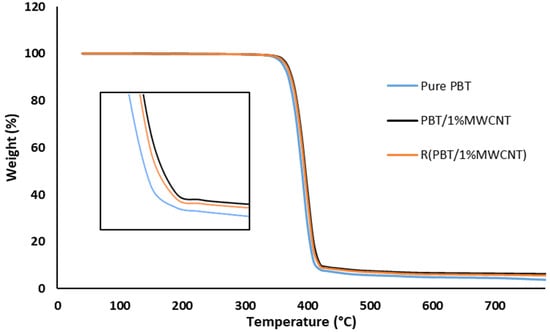
This work investigates the effect of recycling on the rheological and thermal properties of petroleum-based polyester nanocomposites. PET and PBT are used widely in the automobile and packaging industries, and there is a growing need for effective ways to utilize recycled polyesters. The
[...] Read more.
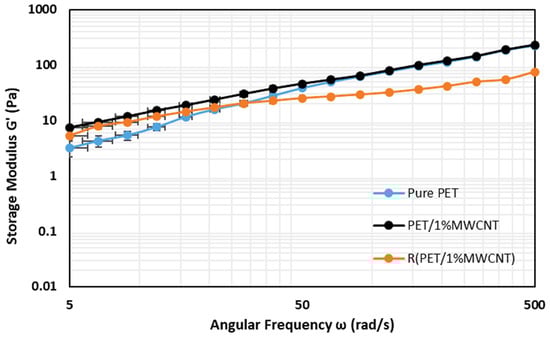
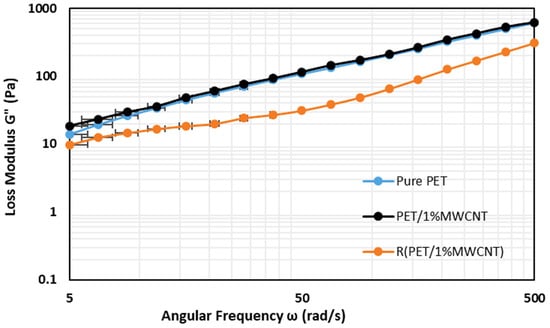
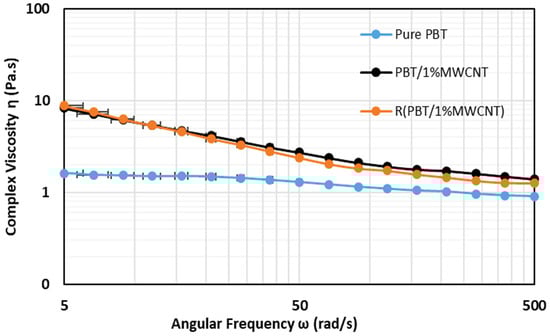
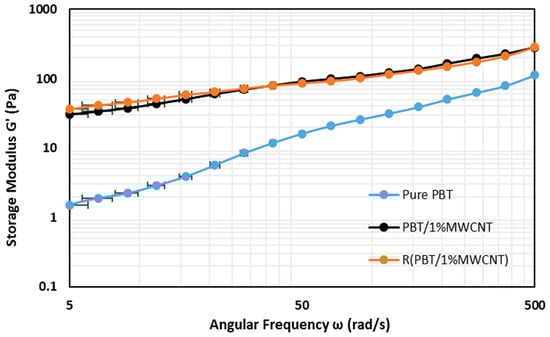
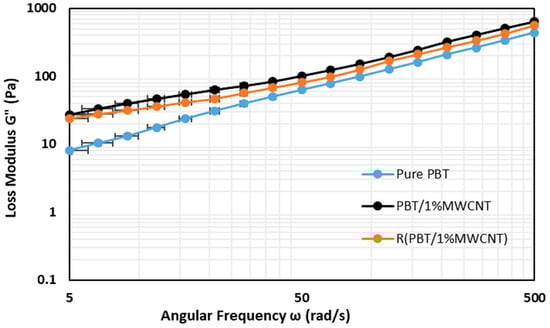
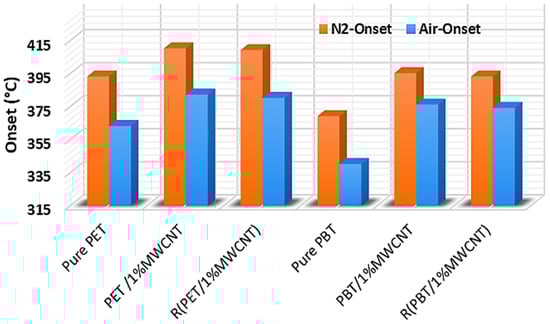
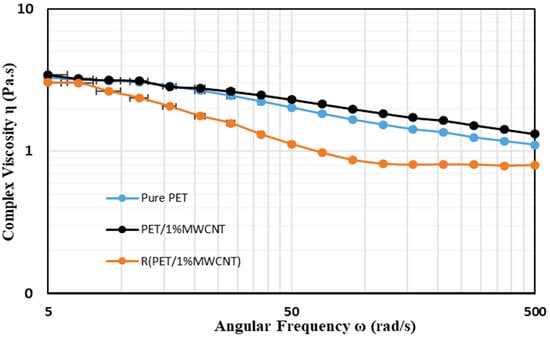
This work investigates the effect of recycling on the rheological and thermal properties of petroleum-based polyester nanocomposites. PET and PBT are used widely in the automobile and packaging industries, and there is a growing need for effective ways to utilize recycled polyesters. The melt mixing method was used to prepare the nanocomposites using a twin-screw extruder. After recycling, the rheological properties of the PBT nanocomposite remained stable, as the degradation of PBT chain was low due to the presence of MWCNT and molecular chain flexibility. In contrast, the complex viscosity of PET recycled nanocomposite decreases significantly because the high processing temperature of 280 °C led to substantial polymer chain scission and network breakdown. Due to the presence of MWCNT, PET and PBT nanocomposites show higher thermal stability than pure and recycled nanocomposites. The recycling of PET and PBT nanocomposites demonstrated potent thermal stability under inert and air/oxidative atmospheres. These results indicate that the effect of recycling strongly depends on the polymer matrix: while PET-based nanocomposites exhibit notable reductions in rheological properties after recycling, PBT-based nanocomposites retain stable rheological and thermal performance due to MWCNT reinforcement. The enhancement in this research could make the recycled materials valuable for the automotive industry.
Full article
(This article belongs to the Section Nanocomposites)
►▼
Show Figures

Figure 1
Open AccessArticle
Study of a Polymer Composite with Carbon Nanotubes and a Mixed Filler Using a Composite Piezoelectric Oscillator at a Frequency of 100 kHz
by
Vladimir V. Kaminskii, Alexandr V. Shchegolkov, Dmitrii A. Kalganov, Dmitrii I. Panov, M. V. Dorogov and Aleksei V. Shchegolkov
J. Compos. Sci. 2026, 10(2), 87; https://doi.org/10.3390/jcs10020087 - 6 Feb 2026
Abstract
This article presents an investigation of the thermomechanical properties of silicone elastomer-based polymer composites modified with carbon nanotubes (CNTs) and mixed fillers (CNTs, bronze, graphite). The primary technique employed was the composite piezoelectric oscillator (CPO) method at approximately 100 kHz. This approach enabled
[...] Read more.
This article presents an investigation of the thermomechanical properties of silicone elastomer-based polymer composites modified with carbon nanotubes (CNTs) and mixed fillers (CNTs, bronze, graphite). The primary technique employed was the composite piezoelectric oscillator (CPO) method at approximately 100 kHz. This approach enabled precise measurements of the polymers’ forced oscillation frequency and logarithmic damping decrement (internal friction) across a wide temperature range (80–300 K). The application of this method is novel for this specific class of materials. Scanning electron microscopy confirmed the uniform distribution of the fillers within the polymer matrix. Differential scanning calorimetry (DSC) showed that the fillers modify the thermal stability of the composite. The systematic decrease in the enthalpy of the endothermic decomposition peak suggests a retardation of degradation kinetics, most likely due to a barrier effect of the filler network. Electrical measurements revealed a distinct contrast: the hybrid composite exhibited a frequency-independent conductivity plateau (~1.8 × 10⁻¹ S/m), confirming a robust percolating network, unlike the strong frequency dependence observed for the CNT-only composite. Research shows that the fillers effectively suppress relaxation processes linked to crystallization (205–215 K) and glass transition (165–170 K), as evidenced by a significant reduction in the amplitude of the corresponding internal friction peaks. The most pronounced effect was observed in the composite with mixed fillers, attributable to a synergistic effect between constituents. Furthermore, amplitude-dependent internal friction was found to occur predominantly below the glass transition temperature. The primary objective of the present study is to investigate the dynamic mechanical and damping behavior of CNT-filled silicone composites with mixed fillers under high-frequency loading, using the CPO method. These findings demonstrate the potential for tailoring the stiffness and damping characteristics of these composites for advanced applications in soft robotics and portable electronics.
Full article
(This article belongs to the Topic Science and Technology of Polymeric Blends, Composites, and Nanocomposites)
Open AccessReview
Advancing Sustainable Materials Engineering with Natural-Fiber Biocomposites
by
Maryam Bonyani, Ian Colvin Marincic and Sitaraman Krishnan
J. Compos. Sci. 2026, 10(2), 86; https://doi.org/10.3390/jcs10020086 - 6 Feb 2026
Abstract
Natural-fiber biocomposites are increasingly viewed as promising materials for sustainable engineering. However, their broader adoption remains constrained by coupled challenges related to interfacial compatibility, moisture sensitivity, environmental durability, processing limitations, and end-of-life trade-offs. Rather than treating fiber selection, matrix chemistry, processing routes, durability,
[...] Read more.
Natural-fiber biocomposites are increasingly viewed as promising materials for sustainable engineering. However, their broader adoption remains constrained by coupled challenges related to interfacial compatibility, moisture sensitivity, environmental durability, processing limitations, and end-of-life trade-offs. Rather than treating fiber selection, matrix chemistry, processing routes, durability, and sustainability as independent considerations, this review emphasizes their interdependence through the fiber–matrix interface, which governs stress transfer, moisture transport, and long-term property evolution. It provides a comprehensive and integrative analysis of natural-fiber–reinforced polymer composites, encompassing plant-, animal-, and emerging bio-derived reinforcements combined with bio-based, biodegradable, and selected synthetic matrices. Comparative analysis across the literature demonstrates that interfacial engineering consistently dominates mechanical performance, moisture resistance, and property retention, while mediating trade-offs among stiffness, toughness, recyclability, and biodegradability. Moisture transport and environmental ageing are examined using thermodynamic and diffusion-controlled frameworks that link fiber chemistry, interfacial energetics, swelling, and debonding to performance degradation. Fire behavior and flame-retardant strategies are reviewed with attention to heat-release control and their implications for durability and circularity. Processing routes, including extrusion, injection molding, compression molding, resin transfer molding, and additive manufacturing, are assessed with respect to fiber dispersion, thermal stability, scalability, and compatibility with bio-based systems. By integrating structure–property relationships, processing science, durability mechanisms, and sustainability considerations, this review clarifies how natural-fiber biocomposites can be designed to achieve balanced performance, environmental stability, and circular life-cycle behavior, thereby providing guidance for the development of systems suitable for near-term engineering applications.
Full article
(This article belongs to the Special Issue Natural Fiber Composites (NFCs)—Current Research Trends and Applications)
Open AccessArticle
Design, Manufacturing, and Analysis of a Carbon Fiber Reinforced Polymer Crash Box
by
Mehmet Engul, Serdar Demir and Nuri Ersoy
J. Compos. Sci. 2026, 10(2), 85; https://doi.org/10.3390/jcs10020085 - 6 Feb 2026
Abstract
This paper presents a novel carbon fiber reinforced polymer (CFRP) crash box design, incorporating numerical analysis and manufacturing aspects. Within the design and analysis phases, a novel numerical methodology is employed to mitigate computational costs in estimating specific energy absorption (SEA). The proposed
[...] Read more.
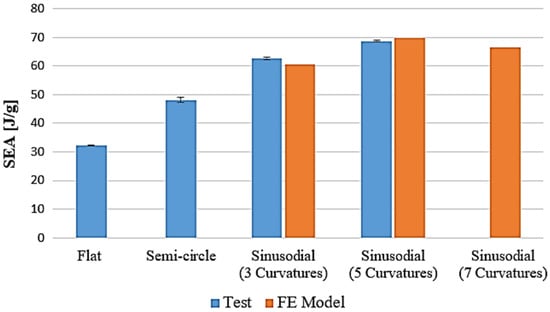
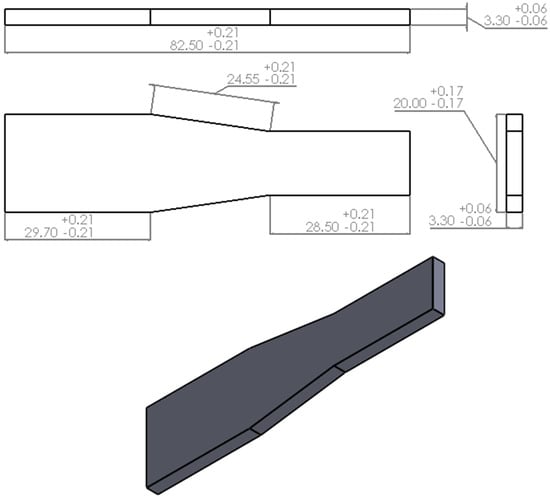
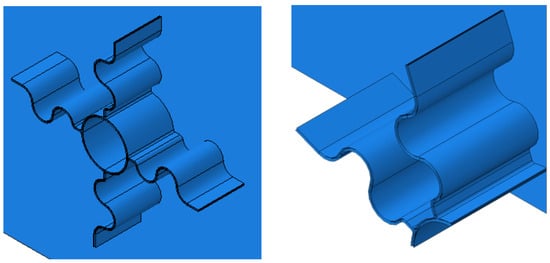
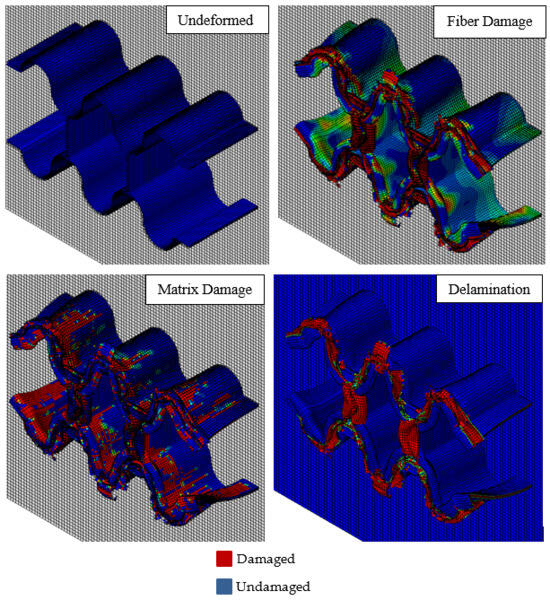
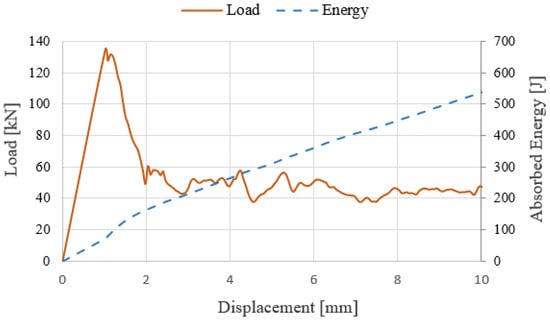
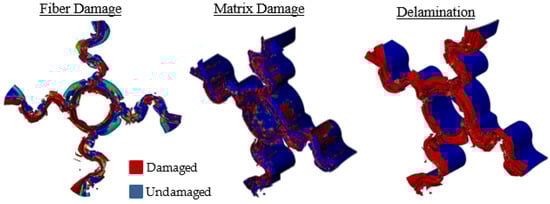
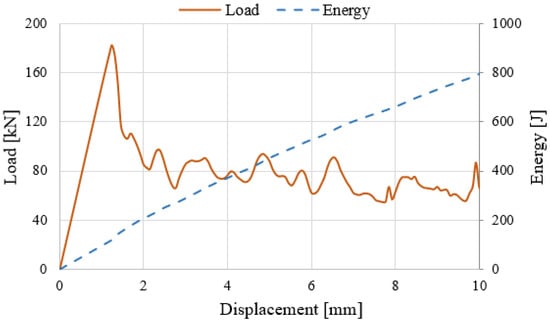
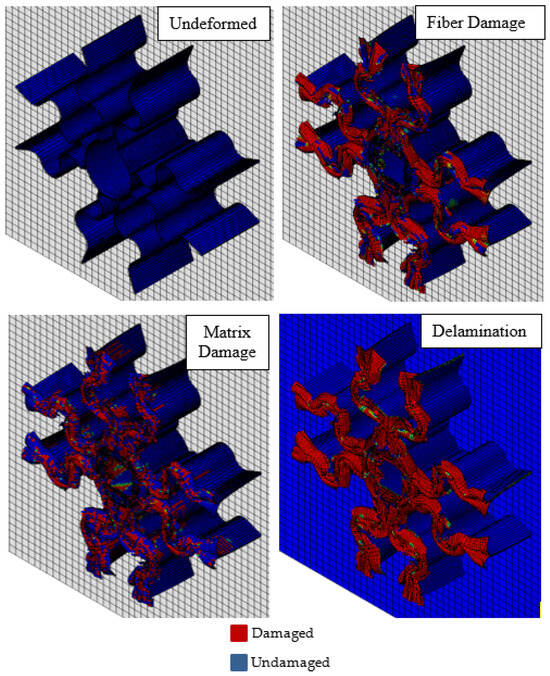
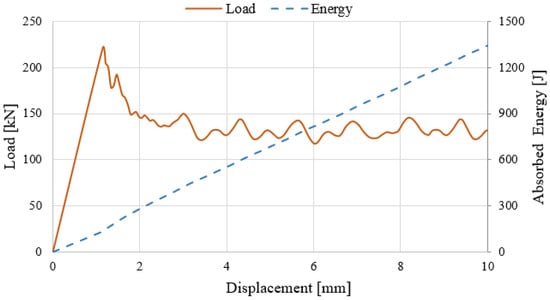
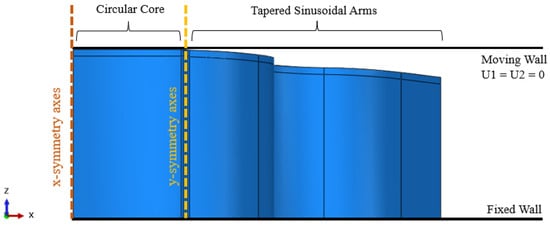
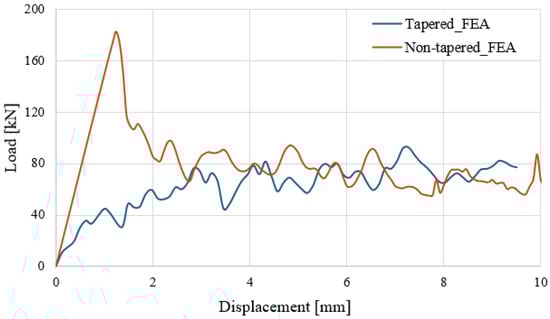
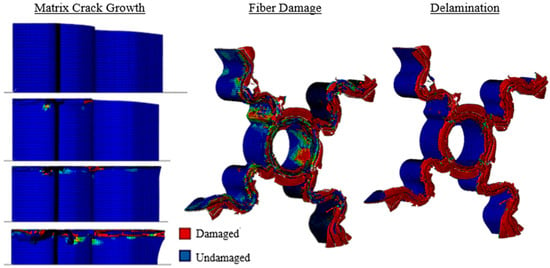
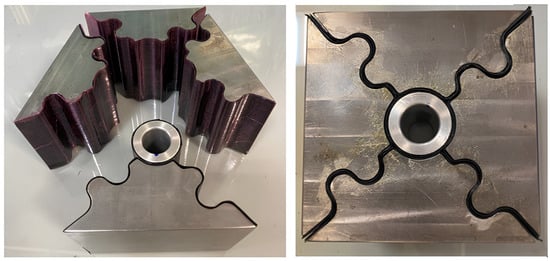
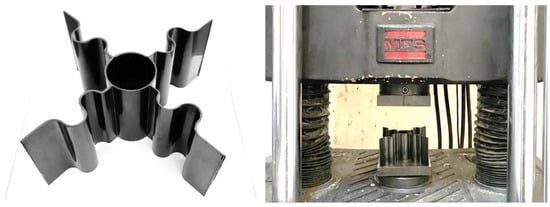
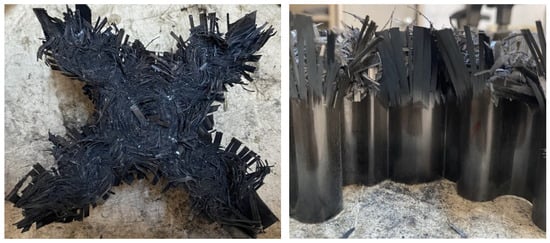
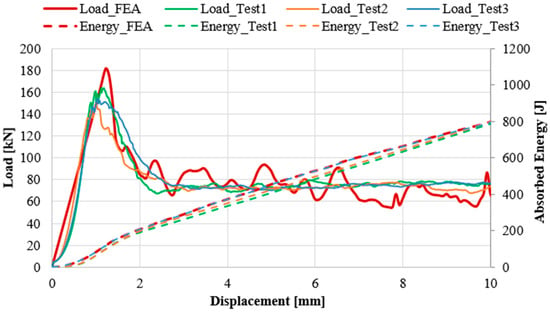
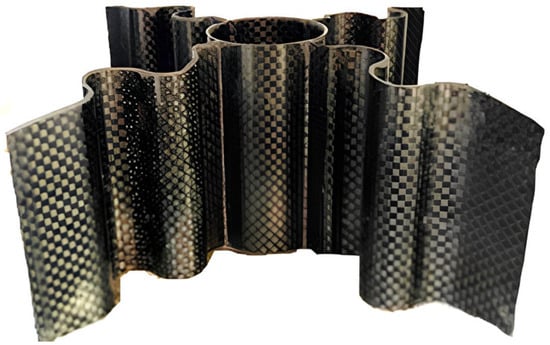
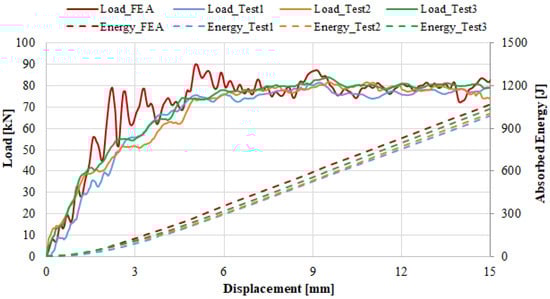
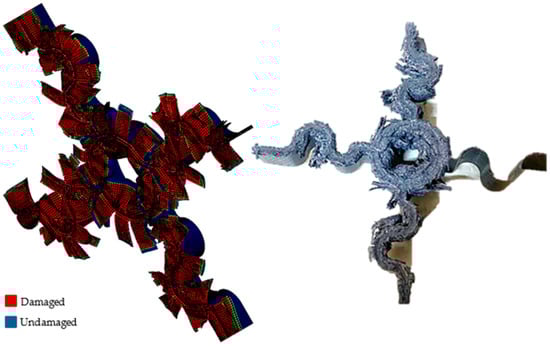
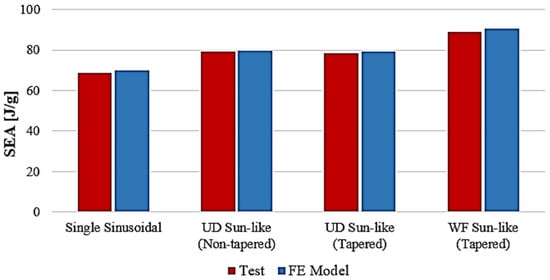
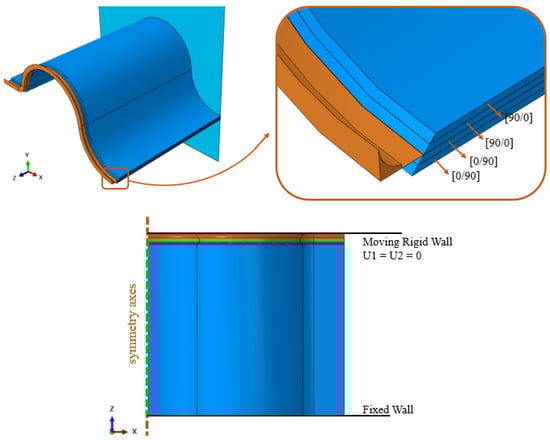
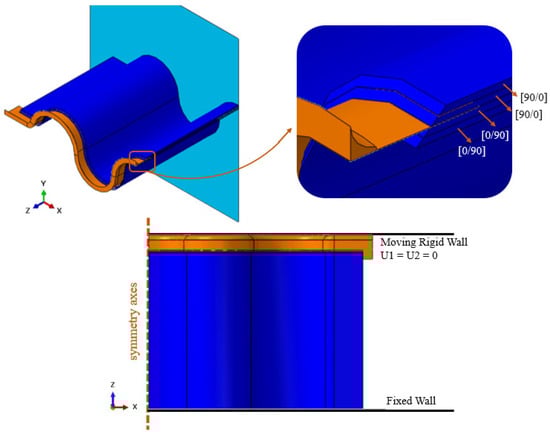
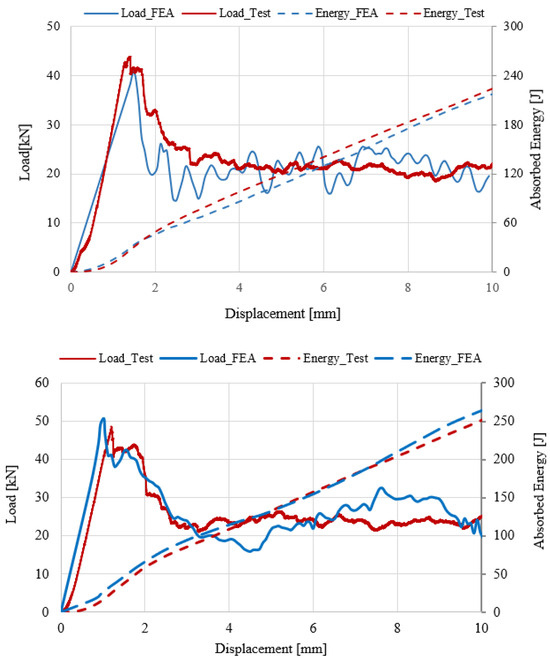
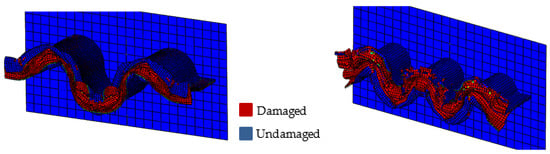
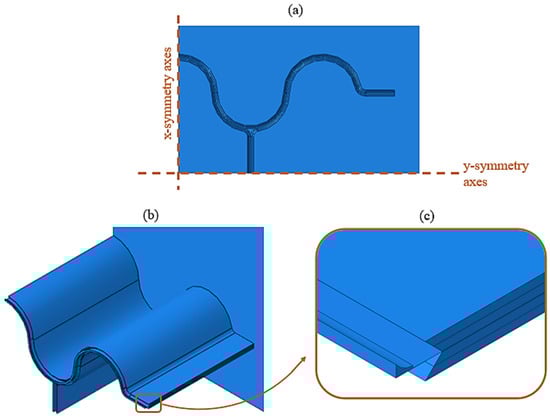
This paper presents a novel carbon fiber reinforced polymer (CFRP) crash box design, incorporating numerical analysis and manufacturing aspects. Within the design and analysis phases, a novel numerical methodology is employed to mitigate computational costs in estimating specific energy absorption (SEA). The proposed approach involves a reduction in ply interfaces and modification of pertinent material properties to optimize energy dissipation, achieving more than 50% reduction in simulation time. This methodology is applied to the design of a composite crash box made of unidirectional (UD) carbon/epoxy prepregs, resulting in a new geometry: sun-like shape featuring four sinusoidal arms connected to a central circular core. Subsequent manufacturing and testing reveal a SEA value of 79.46 J/g for designed geometry, surpassing metallic counterparts by a factor of 3 to 4. Furthermore, this study conducts a comparative analysis of energy absorption performance between unidirectional and woven fabric prepregs for the same geometry. Utilizing carbon/epoxy woven fabric (WF) prepregs further enhances the SEA to 89.26 J/g. Finally, the application of edge tapering to the crash box structure is shown to eliminate initial peak loads, thereby preventing excessive deceleration.
Full article
(This article belongs to the Section Polymer Composites)
►▼
Show Figures

Figure 1
Open AccessArticle
Effect of NiO Composition on the Structural and Morphological Properties of NiO-YSZ and NiO-SDC Particles Synthesized via the Impregnation Route
by
Alia Syuhada Abd Rahman, Yin Fong Yeong, Thiam Leng Chew and Chanatip Samart
J. Compos. Sci. 2026, 10(2), 84; https://doi.org/10.3390/jcs10020084 - 6 Feb 2026
Abstract
Carbon dioxide (CO2) and methane (CH4) are major greenhouse gases, and their increasing emissions contribute significantly to global warming. Dry reforming of methane (DRM) offers a promising route to mitigate these emissions by simultaneously utilizing both CO2 and
[...] Read more.
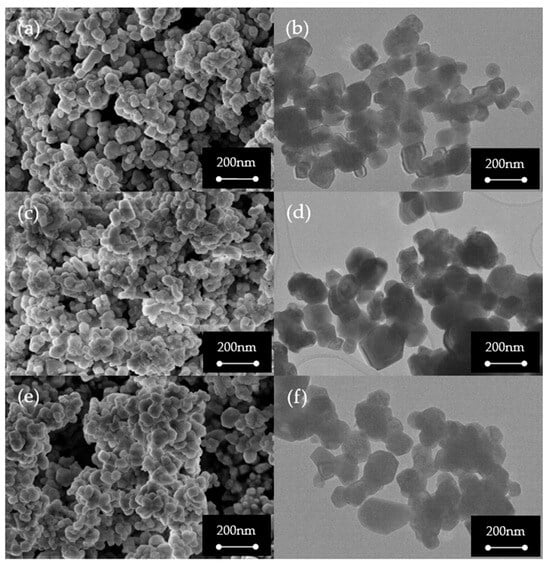
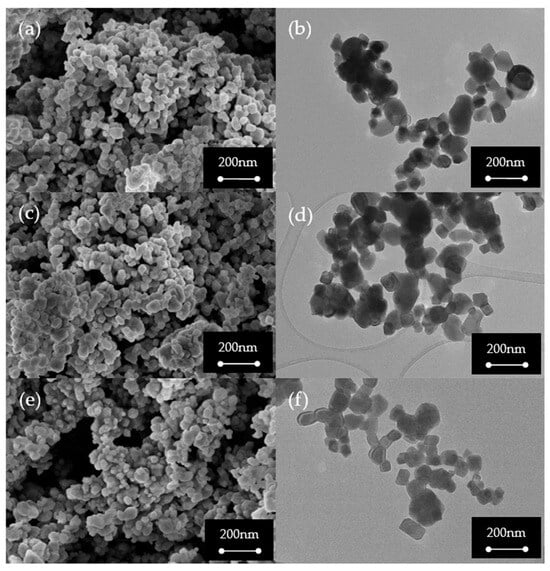
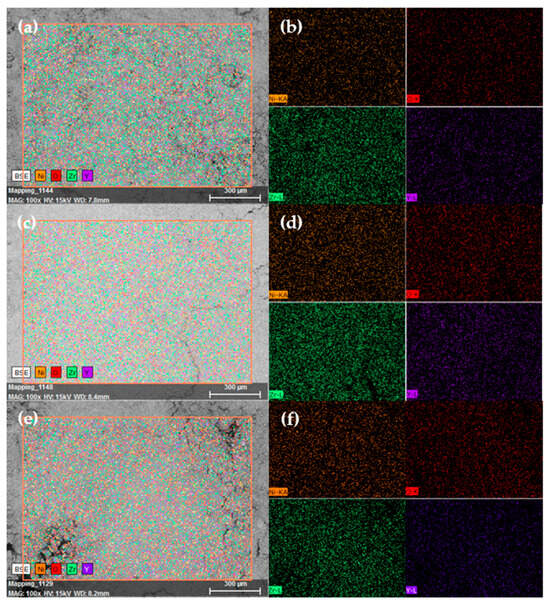
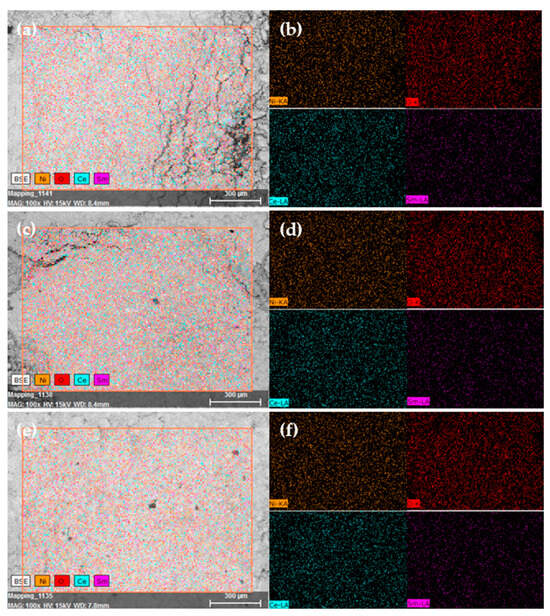
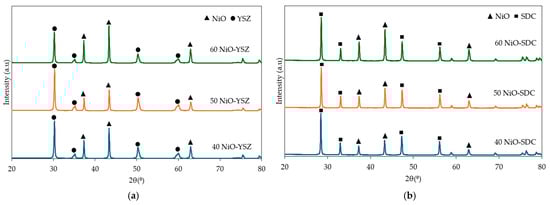
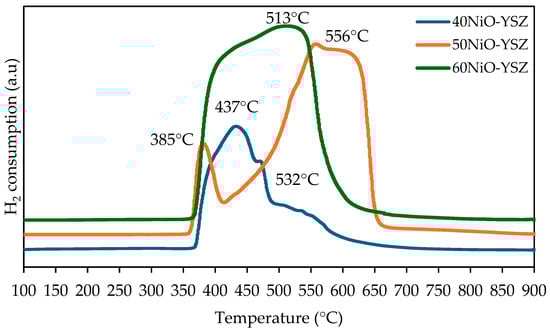
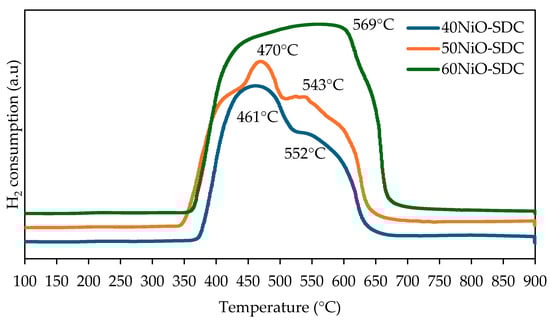
Carbon dioxide (CO2) and methane (CH4) are major greenhouse gases, and their increasing emissions contribute significantly to global warming. Dry reforming of methane (DRM) offers a promising route to mitigate these emissions by simultaneously utilizing both CO2 and CH4 and converting them into syngas, a valuable intermediate for producing fuels and chemicals. Nickel-based catalysts are widely used in DRM due to their high activity and cost-effectiveness. However, their performance depends strongly on metal loading and support properties. This study aims to investigate the effect of different NiO loadings (40, 50, and 60 wt%) on the structural and morphological characteristics of NiO-YSZ and NiO-SDC catalysts synthesized via the impregnation method. In this method, yttria-stabilized zirconia (YSZ) and samarium-doped ceria (SDC) powders were dispersed into a nickel precursor solution to form supported catalysts, which were then characterized to evaluate their structural integrity, crystallinity, and surface morphology. The results showed that higher NiO loadings generally improved the structural and morphological features, with NiO-SDC demonstrating better characteristics than NiO-YSZ. These findings provide essential insights that will guide future work on fabricating membranes using these catalysts for the CO2-CH4 dry reforming process.
Full article
(This article belongs to the Section Composites Applications)
►▼
Show Figures

Figure 1
Open AccessArticle
Elastic Recovery and Thickness Effect in Vacuum Infusion Molding Process
by
Jinshui Yang, Shan Liu, Changping Yin and Suli Xing
J. Compos. Sci. 2026, 10(2), 83; https://doi.org/10.3390/jcs10020083 - 5 Feb 2026
Abstract
Vacuum infusion experiments were conducted to characterize the elastic recovery and thickness effect in the vacuum infusion molding process (VIMP). The results indicate that both the local fluid pressure and the part thickness increment increase with flow propagation until filling completion, and subsequently
[...] Read more.
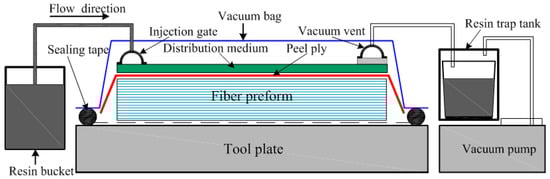
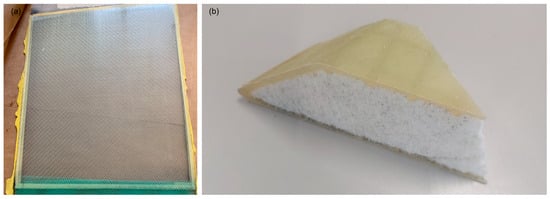
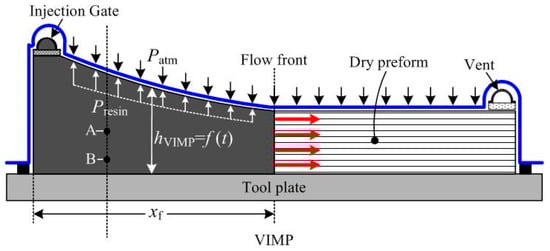
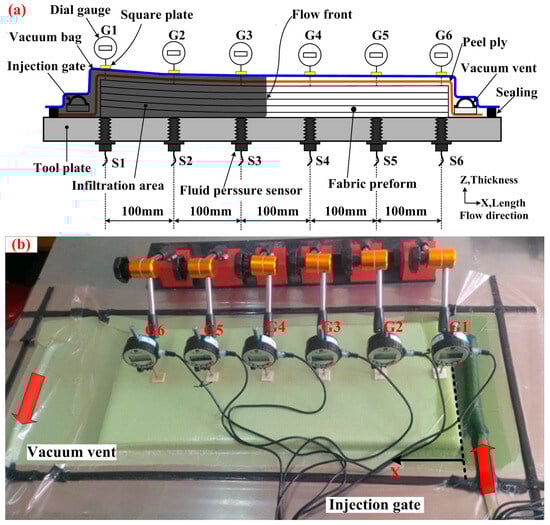
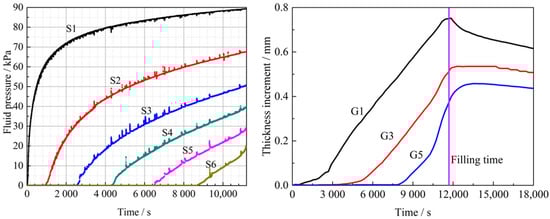
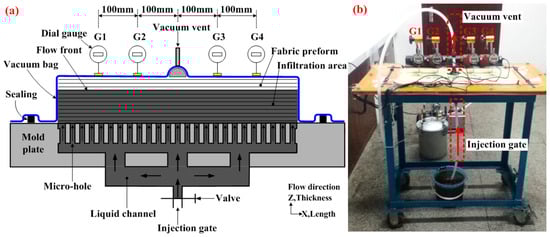
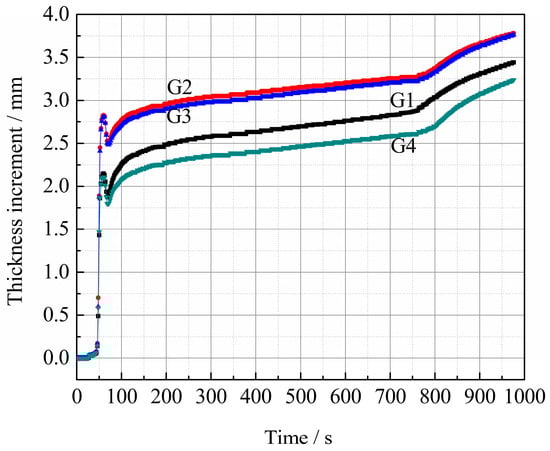
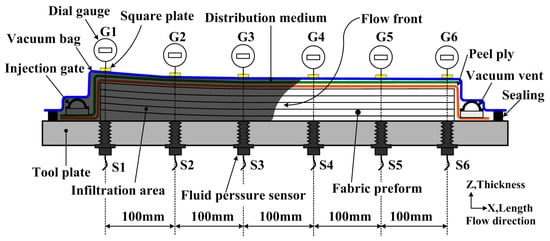
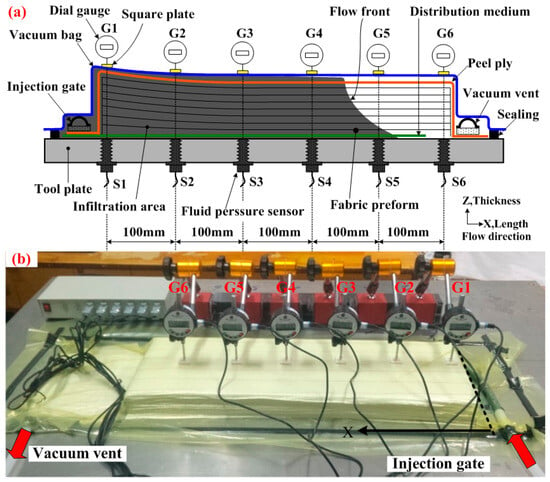
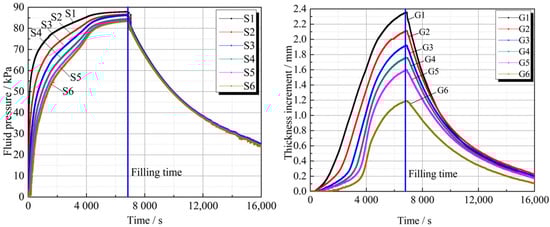
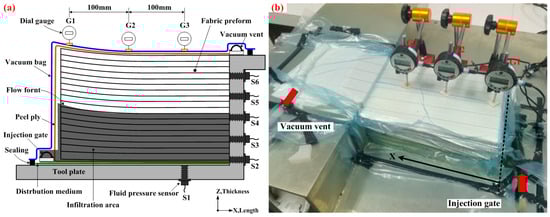
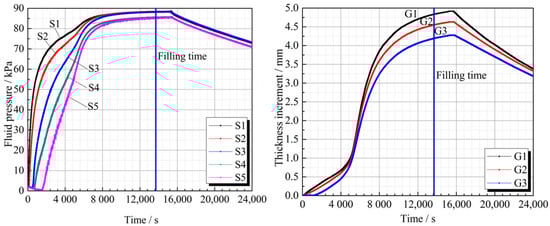
Vacuum infusion experiments were conducted to characterize the elastic recovery and thickness effect in the vacuum infusion molding process (VIMP). The results indicate that both the local fluid pressure and the part thickness increment increase with flow propagation until filling completion, and subsequently decrease during the post-filling stage. The maximum thickness increment increases with the number of reinforcement layers, while the thickness-increment rate decreases due to the enhanced compliance of the reinforcement. Specifically, for reinforcements with 10, 20, and 30 layers under in-plane 1D (One-Dimensional) flow, the thickness-increment rates are 4.97%, 4.74%, and 3.86%, respectively. In out-plane 1D flow, a distinct progressive three-stage thickness growth is observed, with corresponding increment rates of 43.7%, 23.0%, and 15.8% for 10, 20, and 30 layers, highlighting a significantly more pronounced effect. In contrast, for both coupled seepage-flow configurations (A and B), the thickness-increment rate shows no significant variation with layer number and remains consistently around 6%. This suggests that the thickness effect is offset by the coupled seepage-flow interaction of in-plane, out-plane, and distribution medium (DM) flows. It can be concluded that elastic recovery decreases with increasing part thickness. The thickness effect exerts a positive influence on the vacuum infusion molding of large-scale (thick-section) composite structures. Both elastic recovery and thickness effect are closely related to the injection mode (process strategy), with the effect in out-plane 1D flow being significantly greater than that in in-plane flow and coupled seepage flow.
Full article
(This article belongs to the Section Composites Modelling and Characterization)
►▼
Show Figures

Figure 1
Open AccessArticle
Optimizing Lap Splice Lengths for GFRP and BFRP Bars in High-Strength Concrete Beams: An Experimental Study
by
Ali J. Nouri and Saad K. Essa
J. Compos. Sci. 2026, 10(2), 82; https://doi.org/10.3390/jcs10020082 - 4 Feb 2026
Abstract
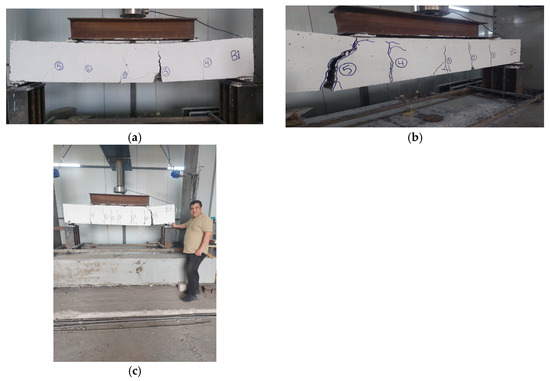
In this paper, the bond performance of tensile lap-spliced Glass and Basalt Fiber-Reinforced Polymer bars is investigated in high-strength concrete. Eighteen large-scale GFRP-reinforced concrete beams were fabricated and subjected to four-point loading. Key parameters explored included bar diameter and splice length for both
[...] Read more.
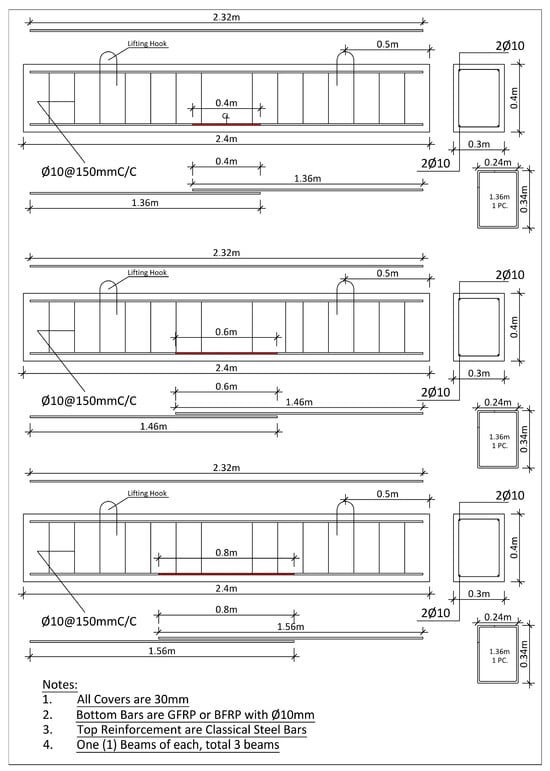
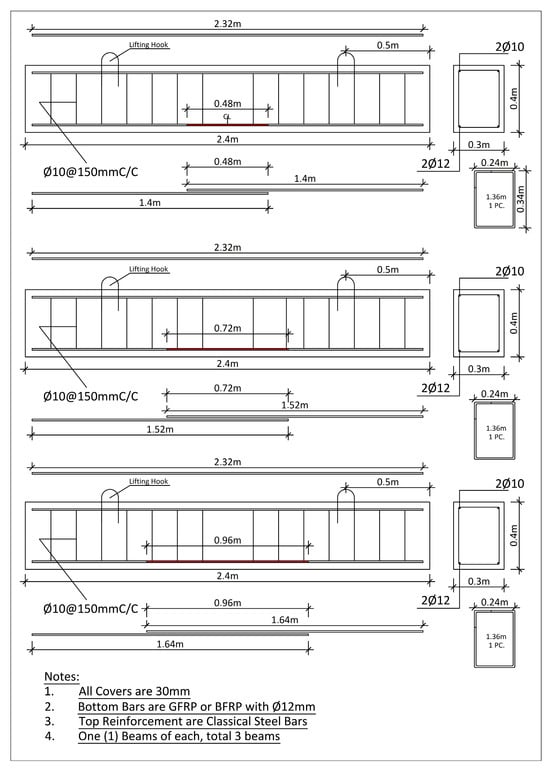
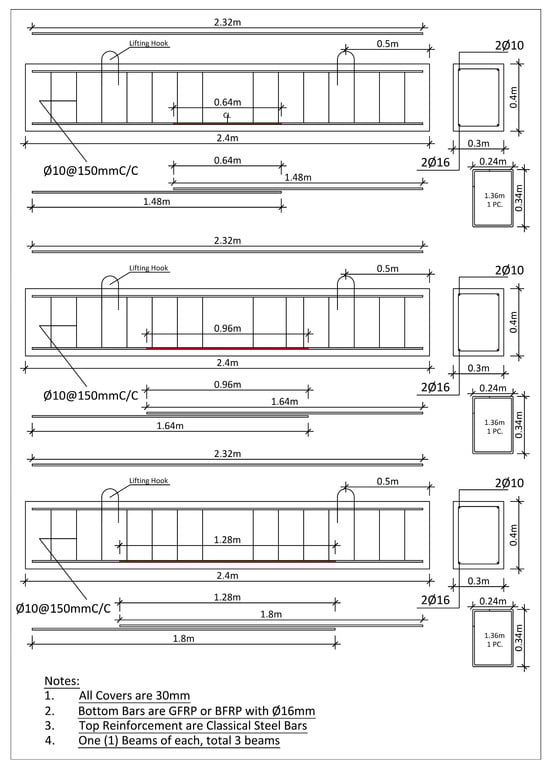
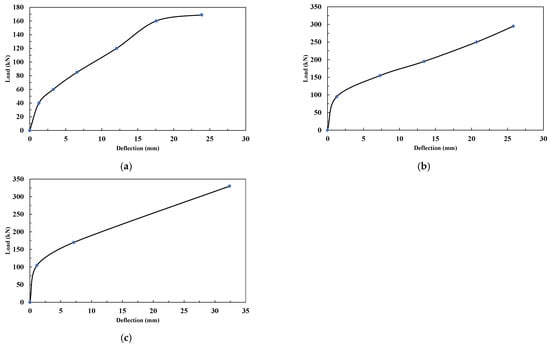
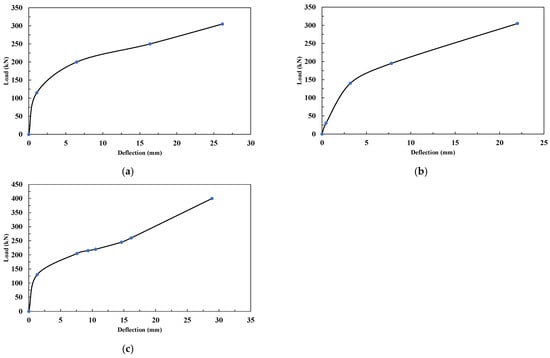
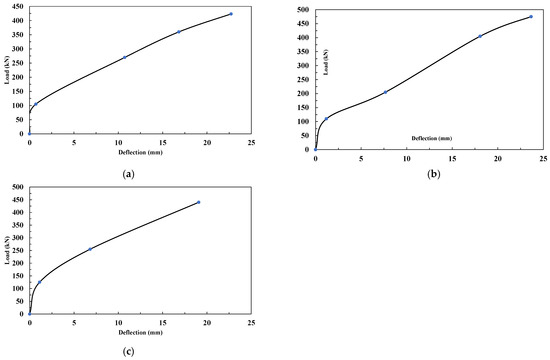
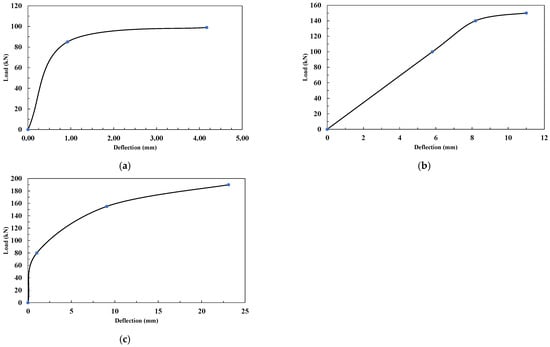
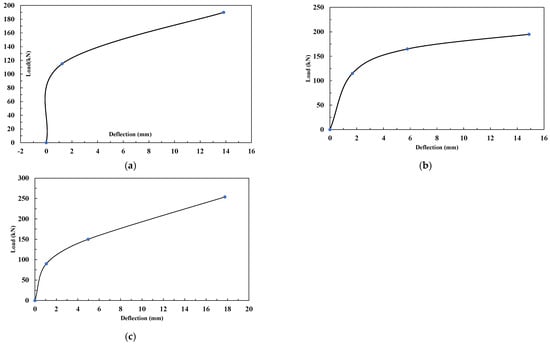
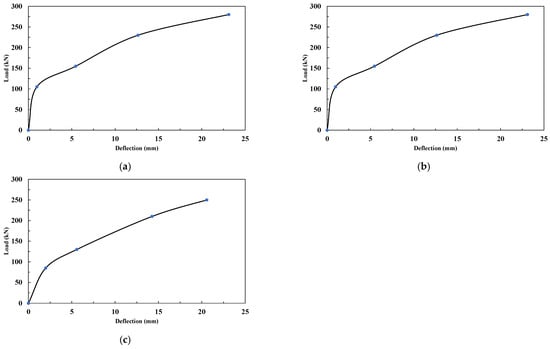
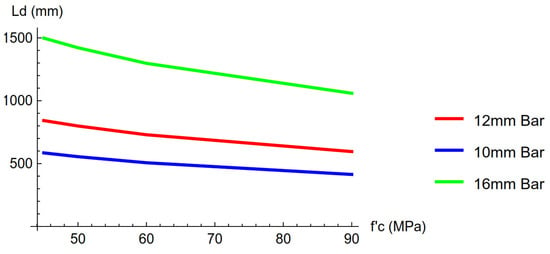
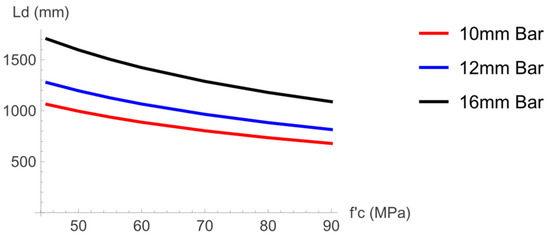
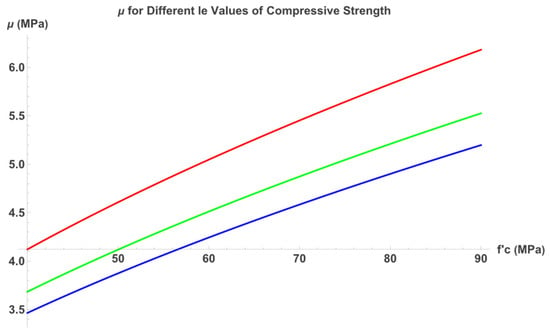
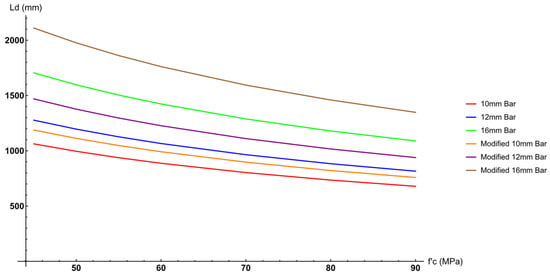
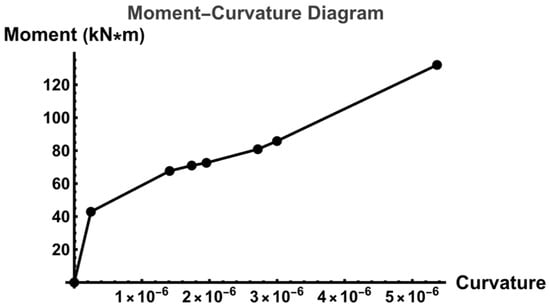
In this paper, the bond performance of tensile lap-spliced Glass and Basalt Fiber-Reinforced Polymer bars is investigated in high-strength concrete. Eighteen large-scale GFRP-reinforced concrete beams were fabricated and subjected to four-point loading. Key parameters explored included bar diameter and splice length for both GFRP and BFRP reinforcement. The results indicate that the flexural capacity of GFRP-reinforced beams was comparable to that of BFRP-reinforced beams, though BFRP bars exhibited marginally superior bond and strength with concrete. The bond strength of spliced FRP bars was directly proportional to the splice length. This study also determined that characteristics of development lengths necessitate splice lengths that exceed the bar diameter 40 times to mitigate bond stress. Critical splice lengths, derived from experimental findings, were compared with existing models and code-based equations, specifically, Guide for the Design and Construction of Structural Concrete Reinforced with Fiber-Reinforced Polymer Bars (ACI 440.1R-15) and Canadian standard that provides comprehensive guidelines for incorporating Fiber-Reinforced Polymer reinforcement in concrete structures (CSA S806-12). Both codes were conservative in splice length prediction for GFRP and BFRP bars, with ACI 440.1R-15 showing greater accuracy for BFRP bars with a larger diameter. A modification factor, based on hyperbolic functions, is proposed to enhance the accuracy of ACI 440.1R-15 in predicting splice lengths for various FRP bar diameters.
Full article
(This article belongs to the Special Issue Advanced Composite Carbon Fibers)
►▼
Show Figures

Figure 1
Open AccessArticle
Comprehensive Analysis of Lubricant and Nanofiller Contributions to Surface Roughness Control in Drilling of GFRP Composites
by
Mohamed Slamani, Jean-François Chatelain and Siwar Jammel
J. Compos. Sci. 2026, 10(2), 81; https://doi.org/10.3390/jcs10020081 - 4 Feb 2026
Abstract
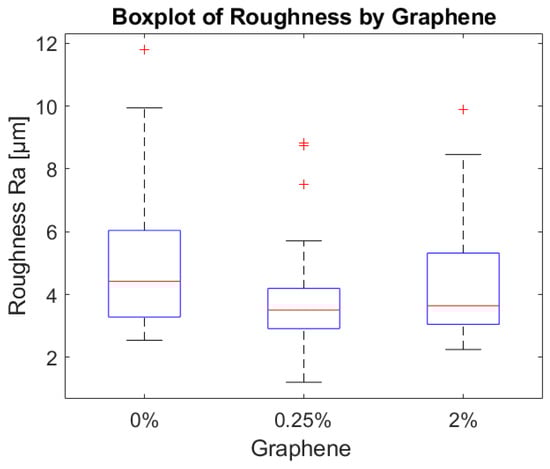
This study investigates the influence of hybrid additives and cutting parameters on the surface roughness (Ra) of drilled Glass Fiber Reinforced Polymer (GFRP) composites. Nine composite panels were fabricated with varying concentrations of wax (0%, 1%, 2%) and graphene (0%, 0.25%,
[...] Read more.
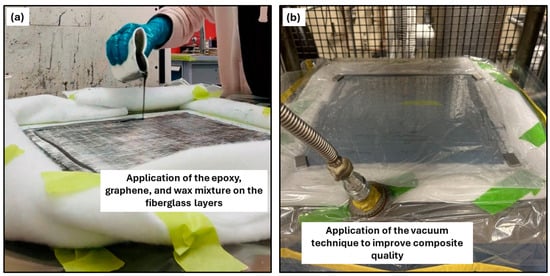
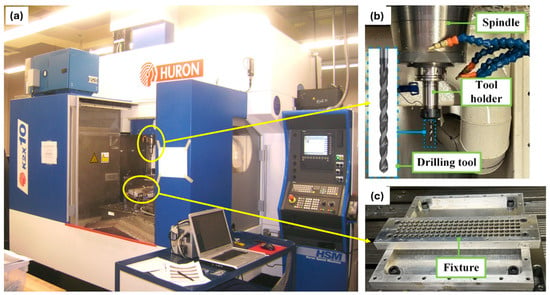
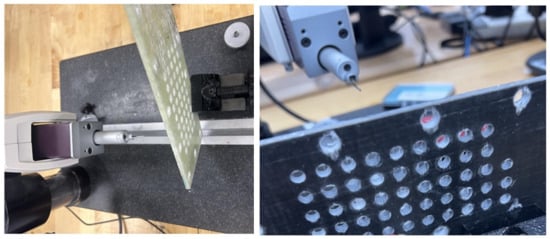
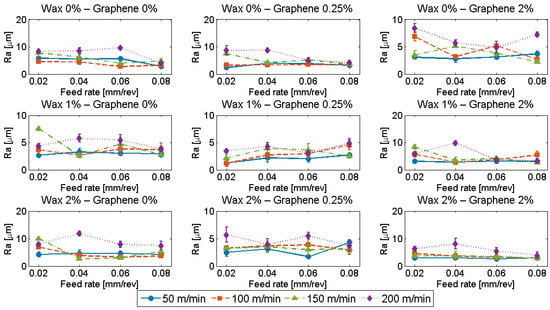
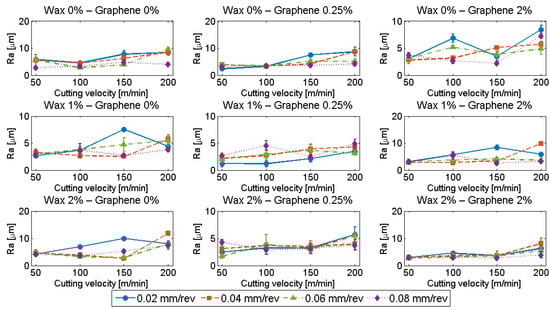
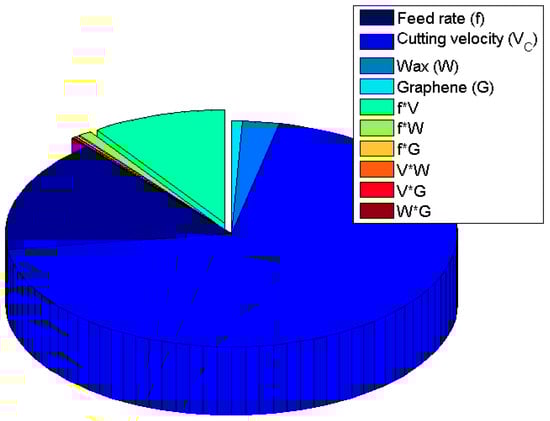
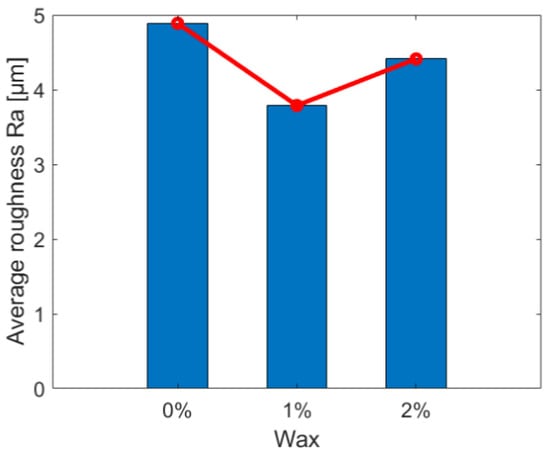
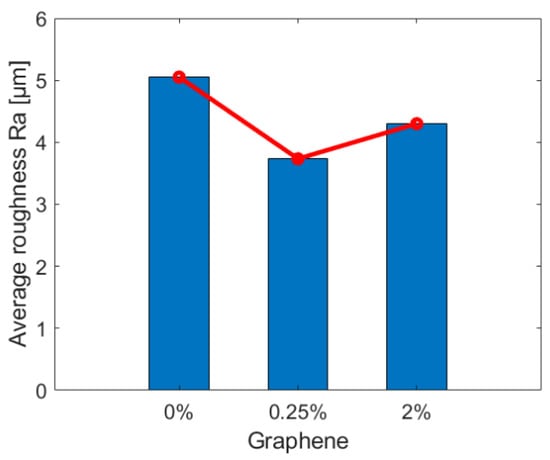
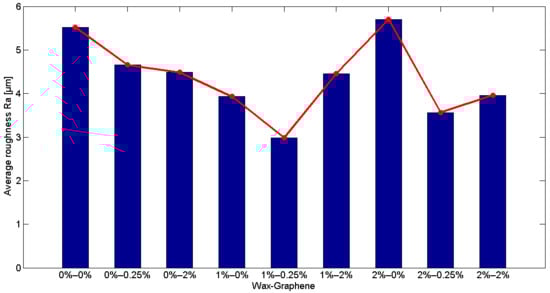
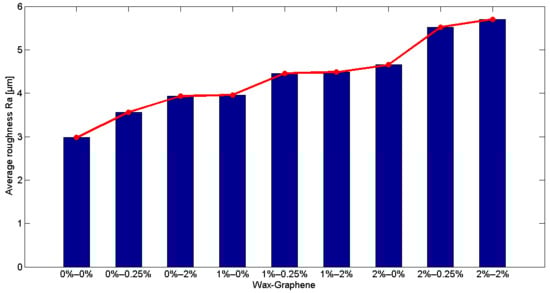
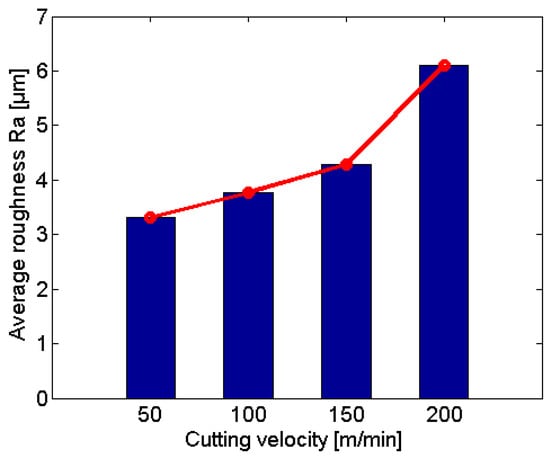
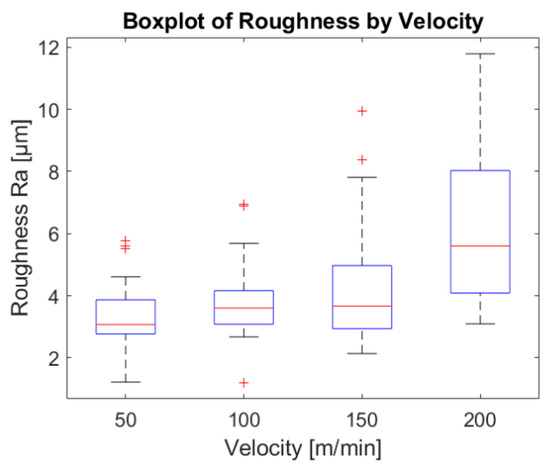
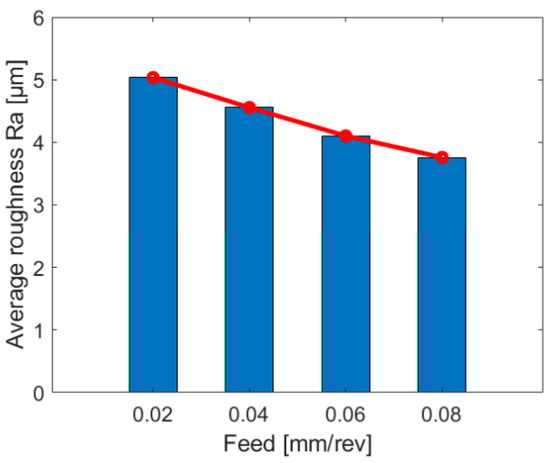
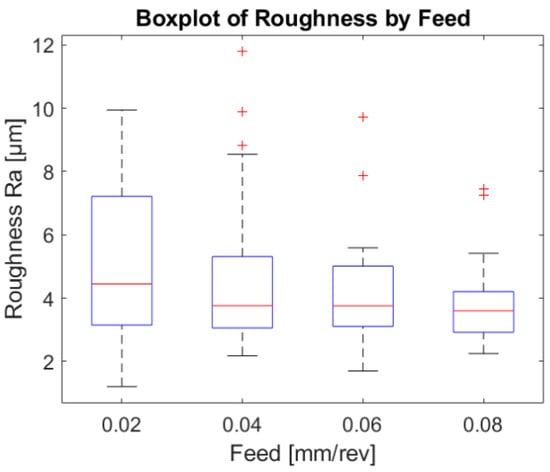
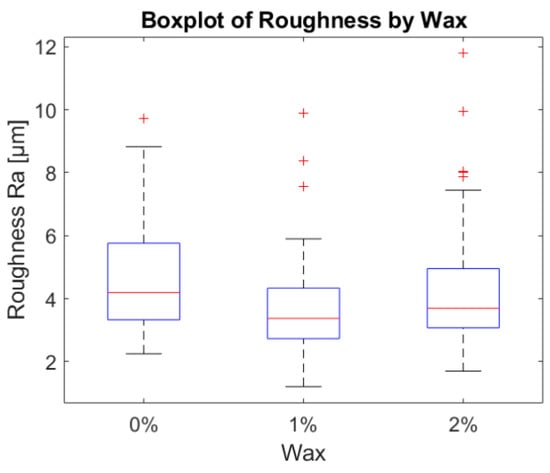
This study investigates the influence of hybrid additives and cutting parameters on the surface roughness (Ra) of drilled Glass Fiber Reinforced Polymer (GFRP) composites. Nine composite panels were fabricated with varying concentrations of wax (0%, 1%, 2%) and graphene (0%, 0.25%, 2%). Drilling experiments were conducted on a CNC milling machine using a range of cutting velocities (50–200 m/min) and feeds (0.02–0.08 mm/rev), and the resulting surface roughness was measured using a profilometer. The results demonstrate that cutting velocity is the most dominant parameter, contributing to 69% of the variability in surface roughness, followed by feed (16%). The incorporation of additives, specifically 1 wt% wax and 0.25 wt% graphene, produced a synergistic effect, yielding the lowest average surface roughness (≈2.9 µm) and the most stable machining process. Higher cutting velocities increased roughness due to thermal effects, while increasing feeds improved surface finish by reducing frictional heating. The findings indicate that an optimal combination of moderate additive concentrations and controlled machining parameters can significantly enhance the surface integrity and process repeatability in the drilling of GFRP composites.
Full article
(This article belongs to the Section Polymer Composites)
►▼
Show Figures

Figure 1
Open AccessArticle
Flexural Performance of Unsaturated Polyester Composites Reinforced with Coconut Shell Charcoal Powder for Lightweight Structural Applications
by
Nusyirwan Nusyirwan, Rispandi, Hendra Hendra and Cheng-Shane Chu
J. Compos. Sci. 2026, 10(2), 80; https://doi.org/10.3390/jcs10020080 - 4 Feb 2026
Abstract
Polymer-based composites have emerged as viable alternatives to metals for applications requiring reduced weight, corrosion resistance, and cost-effectiveness; however, their relatively low mechanical strength remains a significant limitation. This study evaluates the flexural performance of unsaturated polyester composites reinforced with coconut shell charcoal
[...] Read more.
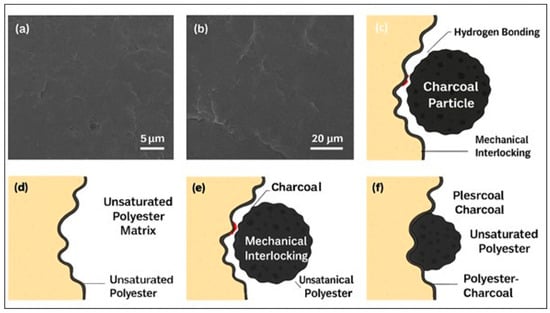
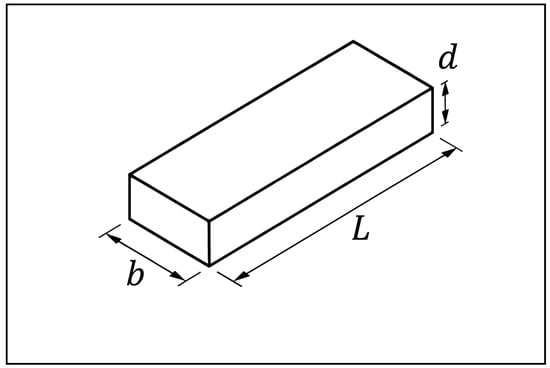
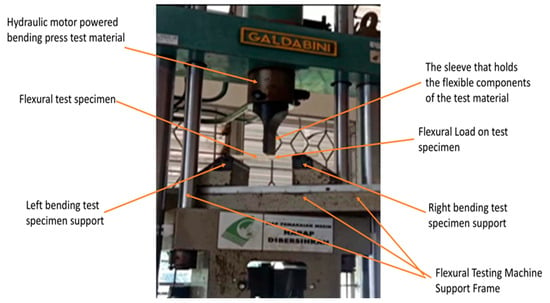
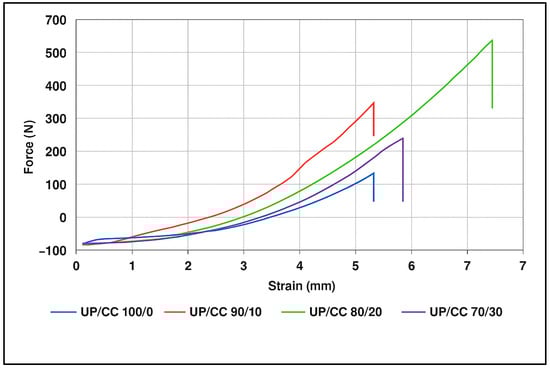
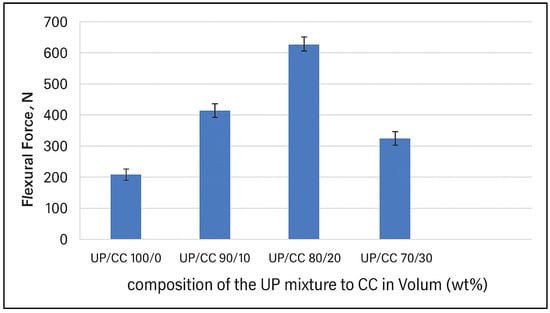
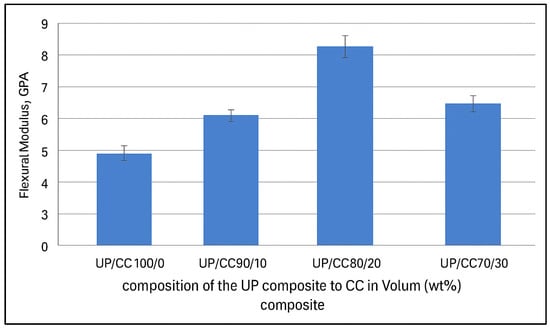
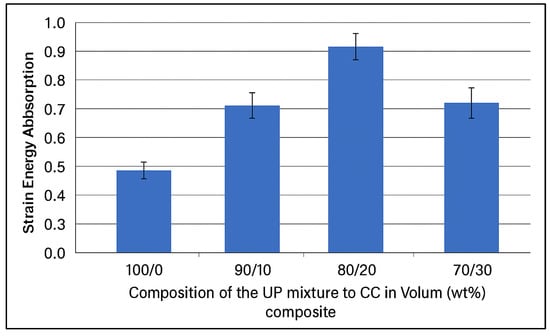
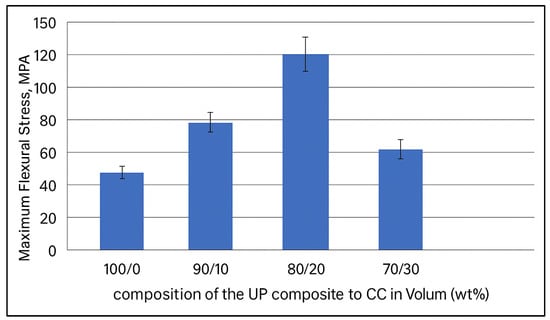
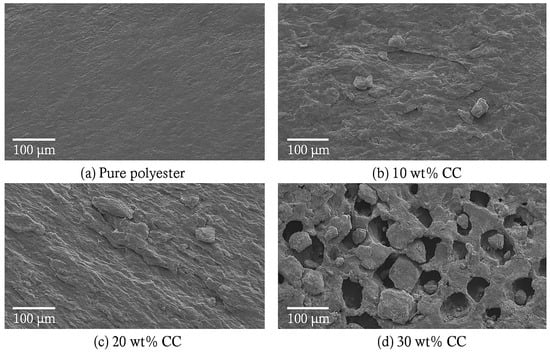
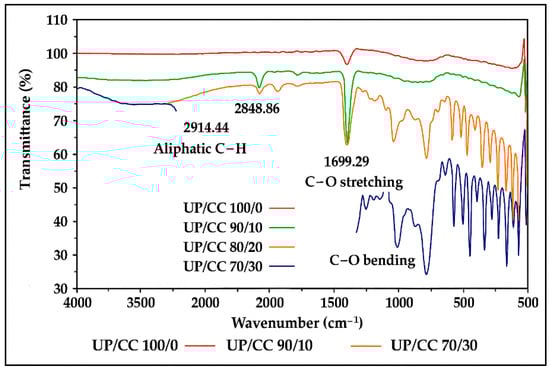
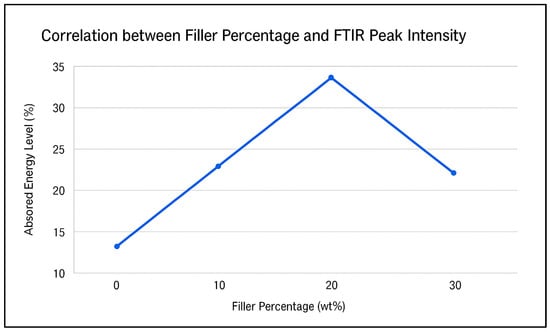
Polymer-based composites have emerged as viable alternatives to metals for applications requiring reduced weight, corrosion resistance, and cost-effectiveness; however, their relatively low mechanical strength remains a significant limitation. This study evaluates the flexural performance of unsaturated polyester composites reinforced with coconut shell charcoal (CC) powder at filler contents of 0%, 10%, 20%, and 30% by weight, in accordance with ASTM D790. The incorporation of 20 wt% CC yielded the highest flexural strength of 132.43 MPa, representing a 153% improvement compared to pure polyester (52.10 MPa). Flexural modulus also increased substantially at this composition, indicating enhanced stiffness resulting from improved interfacial bonding and efficient stress transfer. In contrast, increasing the filler content beyond 20 wt% resulted in a reduction of up to 32% in strength, attributed to particle agglomeration and void formation. Overall, the results identify 20 wt% CC as the optimal reinforcement level, significantly improving energy absorption and bending resistance, thereby positioning this composite as a promising candidate for lightweight structural applications.
Full article
(This article belongs to the Section Composites Applications)
►▼
Show Figures

Figure 1
Open AccessArticle
Vibration-Based Structural Health Monitoring of Laminated Composite Beams Using Finite Element Modal and Harmonic Analysis
by
Mahendran Govindasamy, Gopalakrishnan Kamalakannan and Ganesh Kumar Meenashisundaram
J. Compos. Sci. 2026, 10(2), 79; https://doi.org/10.3390/jcs10020079 - 3 Feb 2026
Abstract
The present study extends the previous work which was concerned with the identification of damage in GFRP composite plates by damage detection algorithms such as the Normalized Curvature Damage Factor (NCDF), Strain Energy Difference (SED), and Damage Index (DI), using a novel damage
[...] Read more.
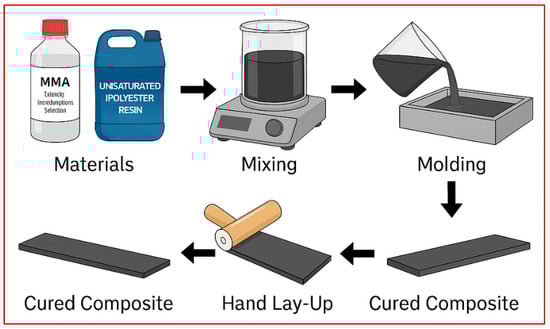
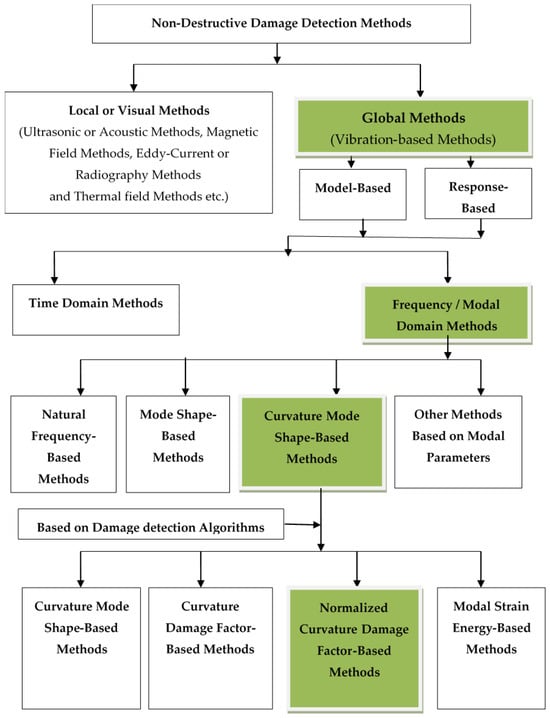
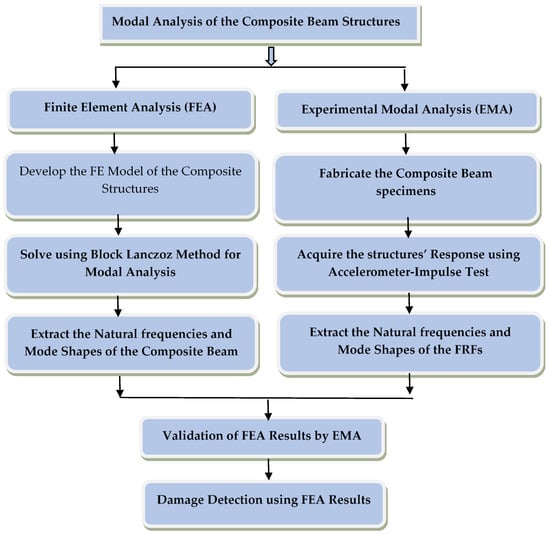
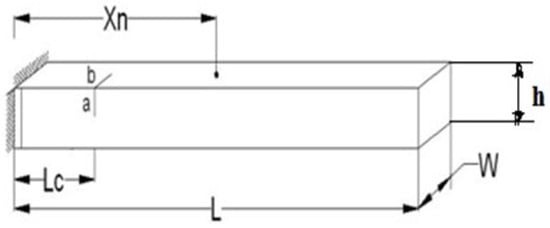
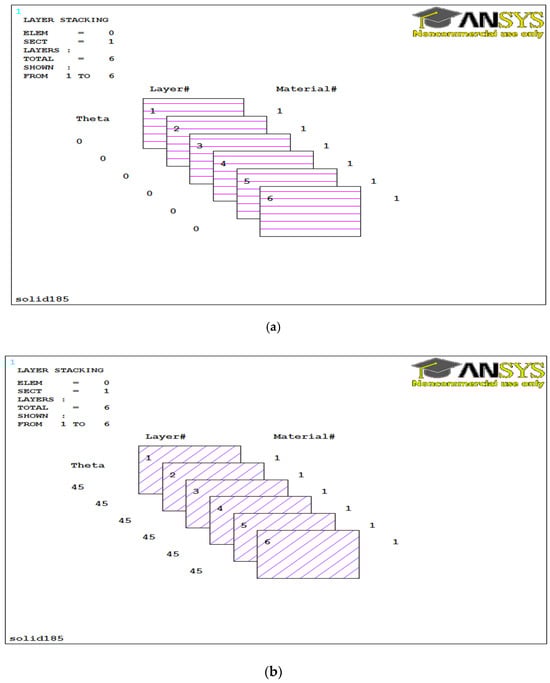
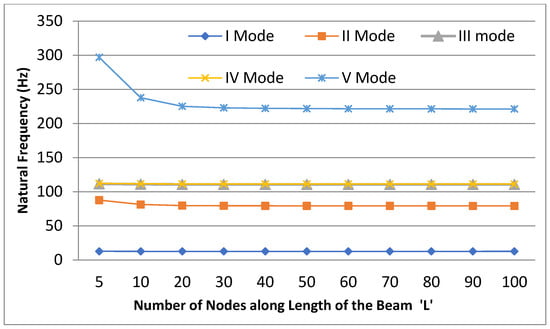
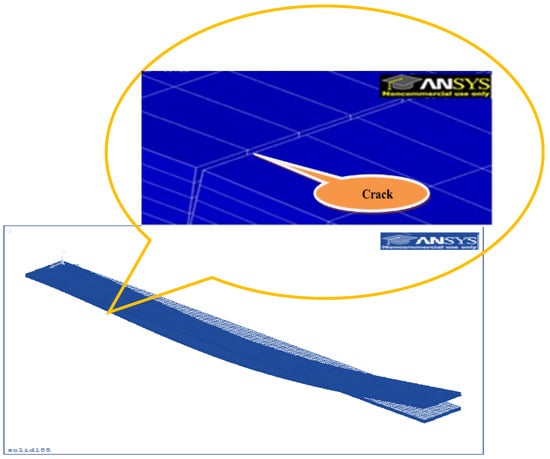
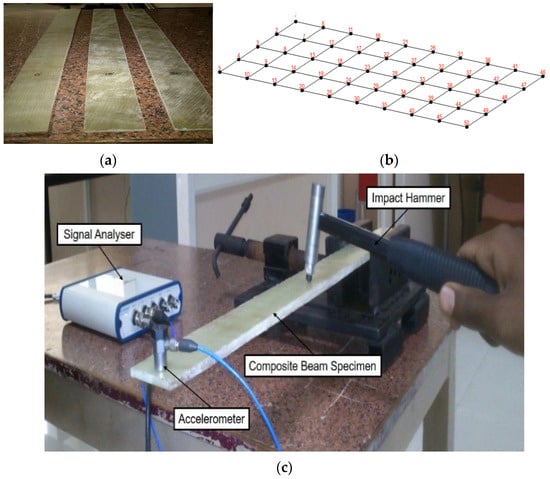
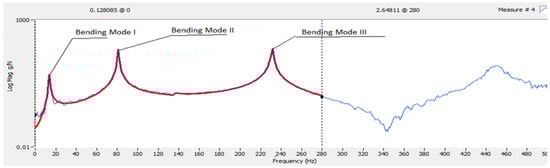
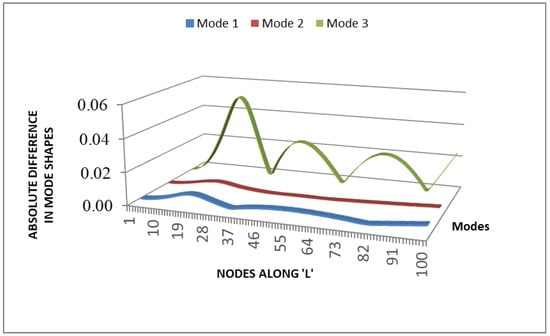
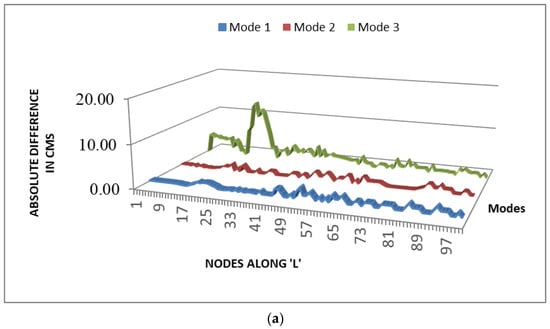
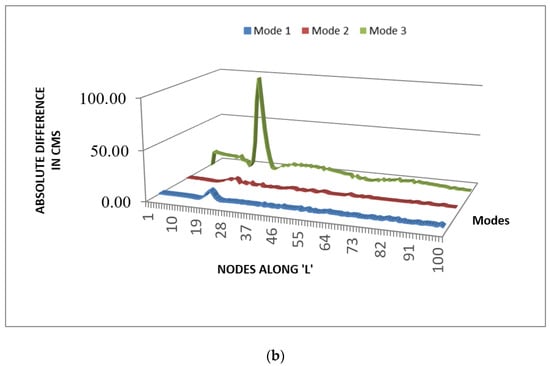
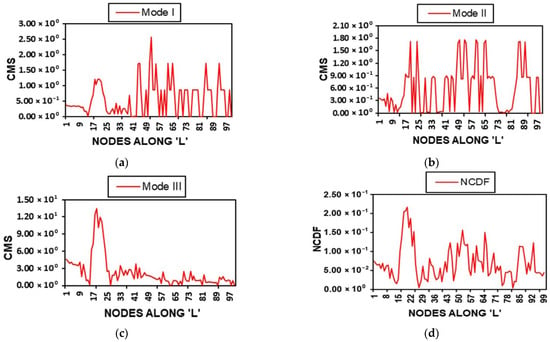
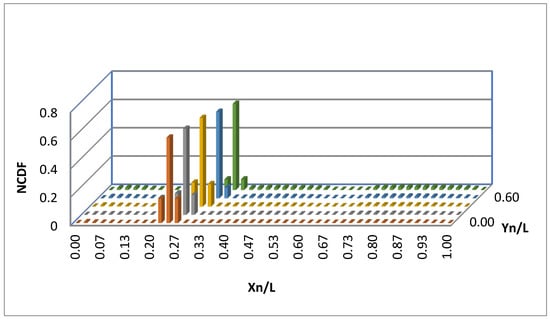
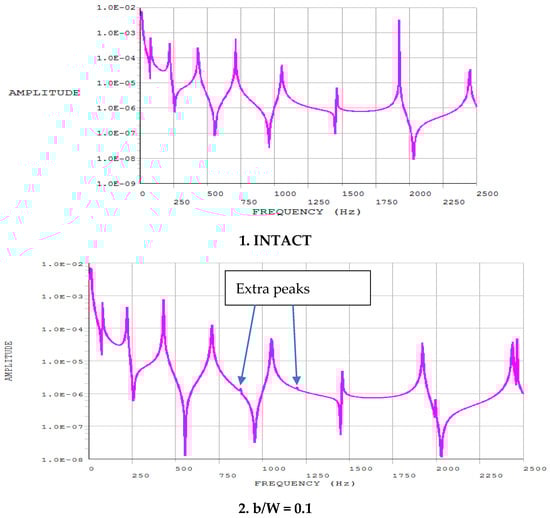
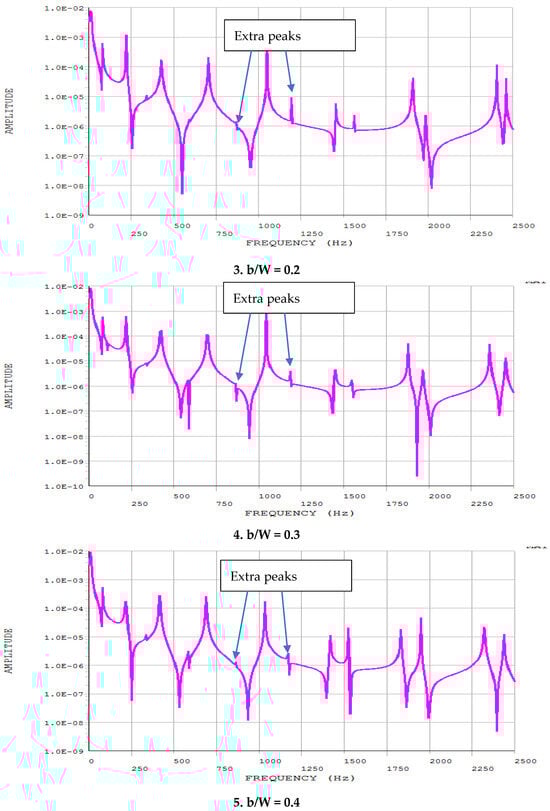
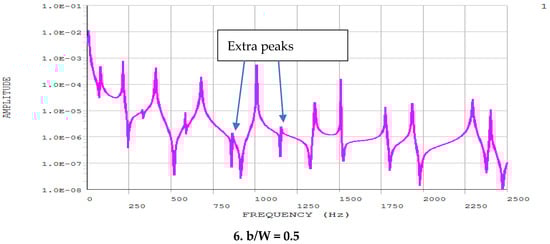
The present study extends the previous work which was concerned with the identification of damage in GFRP composite plates by damage detection algorithms such as the Normalized Curvature Damage Factor (NCDF), Strain Energy Difference (SED), and Damage Index (DI), using a novel damage (crack) modeling technique called the ‘Node-Releasing Technique’ (NRT) in Finite Element Analysis (FEA) for modeling and detecting perpendicular and slant partial-depth cracks in GFRP composite beams. This study explores the sensitivity of the damage modeling technique NRT in damage detection for composite beams using the NCDF algorithm, since it was concluded in the previous work that the NCDF performs better compared to the other methods when detecting both perpendicular and slant partial-depth cracks. This study also examines the variations in the Frequency Response Function (FRF) as another novel tool for identifying even small-scale damage. Most prior research in this domain has focused on variations in natural frequency, displacement mode shape, and damping as indicators for detecting and localizing structural damage through various experimental, theoretical, and computational approaches. However, these conventional parameters often lack the sensitivity required to detect small-scale damage and, still, there exists a gap in the use of the node-releasing technique in FEA to model the partial-depth perpendicular and slant crack damage in laminated composite structures, such as beam-like structures. To fill this gap, the present study attempts to use Curvature Mode Shapes (CMS)-based NCDF, obtained from numerical modal analysis, and variations in the Frequency Response Function (FRF), obtained through harmonic analysis, as more sensitive indicators for damage detection in laminated composite beams. FEA simulations are performed using the commercial FEA software package ANSYS 2021 R1 to obtain the first five flexural natural frequencies and the corresponding displacement mode shapes of both the intact and damaged composite beams. The curvature mode shapes are obtained from the displacement mode shapes data using the central difference approximation method to compute the NCDF. Simultaneously, GFRP composite beams were fabricated by the hand lay-up method, and Experimental Modal Analysis (EMA) was employed to substantiate the FE model and the validity of the numerical results. By combining both numerical and experimental methods, we proved that NCDF and FRF are reliable tools to determine and locate structural damage, even at a comparatively small scale. In general, the results indicate that NCDF is a stable and practically applicable parameter to locate cracks in laminated composite beams and provide meaningful information to be used as guidelines in applications of vibration-based structural health monitoring.
Full article
(This article belongs to the Section Composites Modelling and Characterization)
►▼
Show Figures

Figure 1
Open AccessArticle
Bending Capacity and Rotational Stiffness of Glued and Detachable Corner Joints in PMMA/ATH Solid-Surface Composites
by
Boryana Petrova, Vassil Jivkov and Nikolay Yavorov
J. Compos. Sci. 2026, 10(2), 78; https://doi.org/10.3390/jcs10020078 - 2 Feb 2026
Abstract
Quantitative data on the bending capacity and rotational stiffness of corner joints made from acrylic solid-surface PMMA/ATH composites are limited, despite their widespread use in furniture and interior components. The study provides comparative bending moment and rotational-stiffness benchmarks for 18 PMMA/ATH corner-joint series,
[...] Read more.
Quantitative data on the bending capacity and rotational stiffness of corner joints made from acrylic solid-surface PMMA/ATH composites are limited, despite their widespread use in furniture and interior components. The study provides comparative bending moment and rotational-stiffness benchmarks for 18 PMMA/ATH corner-joint series, using a stiffness-evaluation procedure tailored to corner-joint testing. L-type joints produced from two commercial PMMA/ATH materials (Kerrock and Corian) at 6- and 12-mm thickness were manufactured in 18 configurations, including glued butt, 45° mitre, reinforced mitre, rebate, groove variants, and detachable Minifix eccentric and Lamello Clamex connectors. Specimens were tested under arm-compression bending and maximum bending moment (Mmax), and joint rotational stiffness was derived. The best-glued solution was the 12 mm Kerrock 45° mitre with Mmax 186.21 N·m, whereas the strongest 6 mm joint reached 40 N·m. Reinforcing the 12 mm Kerrock mitre joint increased stiffness to 9521 N·m/rad but did not increase bending capacity relative to the non-reinforced mitre. Detachable joints formed a clearly distinct low-rigidity class with bending moments of 2.22–3.89 N·m and stiffness below 194 N·m/rad. Overall, thickness and joint geometry dominate both strength and stiffness, and the tested detachable connectors should be reserved for applications requiring disassembly rather than for load-bearing corners.
Full article
(This article belongs to the Section Composites Applications)
Open AccessArticle
Axial Compression Behavior of L-Shaped CFST Columns Enhanced by Fully Bolted Threaded-Rod Confinement: An Experimental Assessment
by
Abdul Ghafar Wahab, Weiyuan Fang and Zhong Tao
J. Compos. Sci. 2026, 10(2), 77; https://doi.org/10.3390/jcs10020077 - 2 Feb 2026
Abstract
Special-shaped concrete-filled steel tube (CFST) columns are increasingly adopted as efficient vertical load-carrying members in integrated residential structural systems. However, their intrinsically nonuniform confinement promotes early local buckling and bulging of tube plates and limits deformation stability under axial compression. This study presents
[...] Read more.
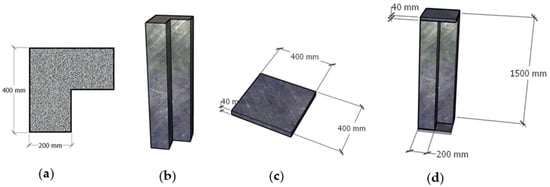
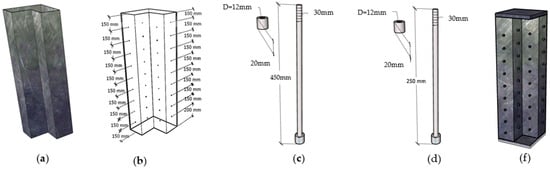
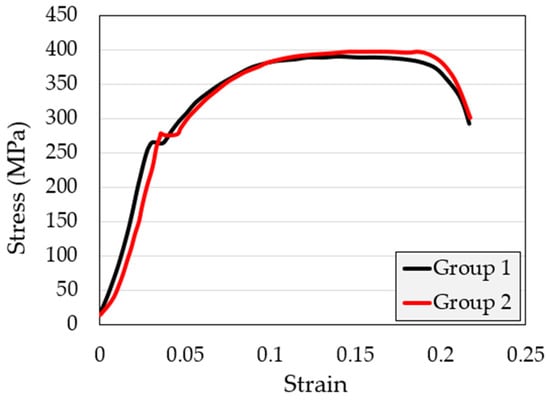
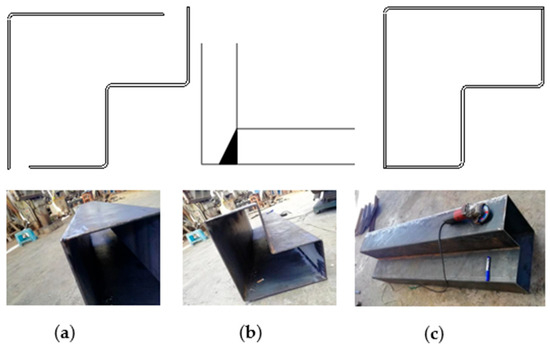
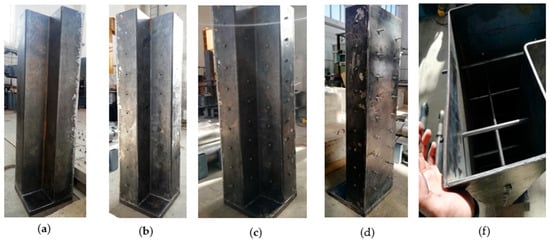
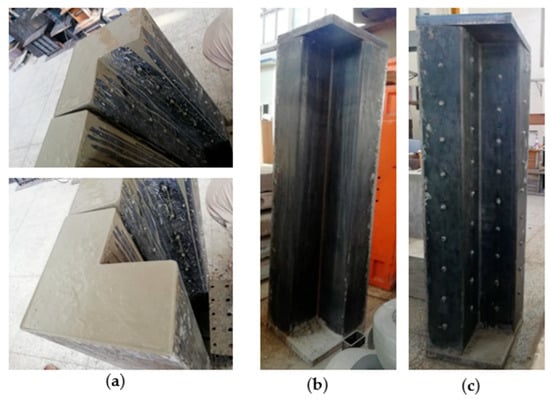
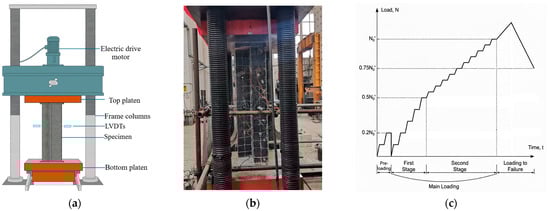
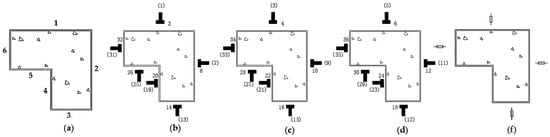
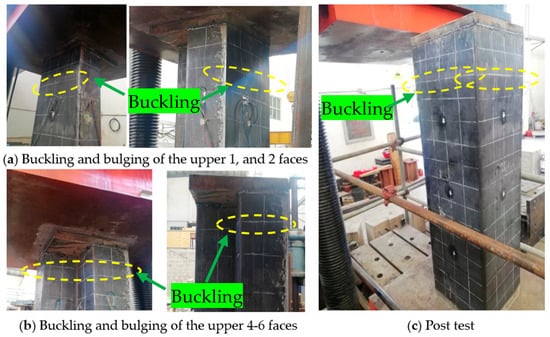
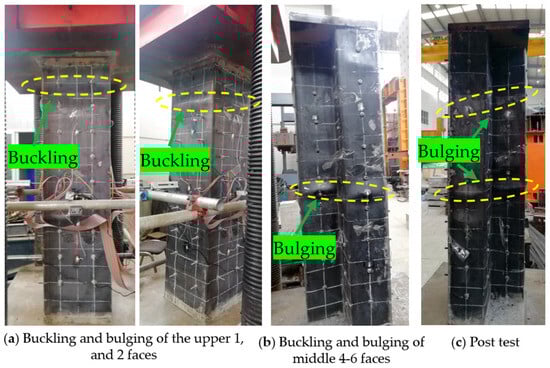
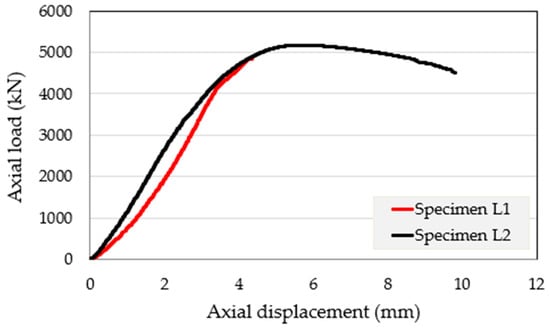
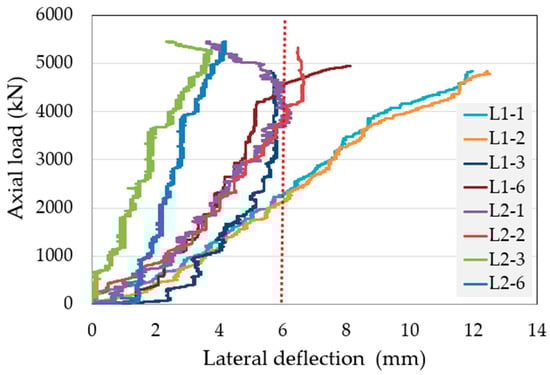
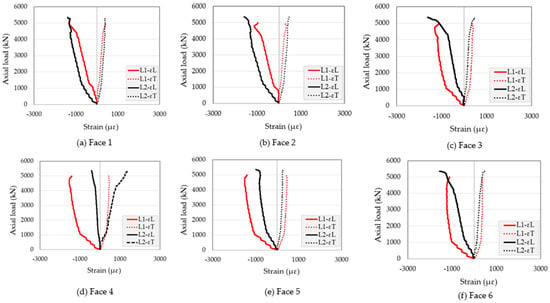
Special-shaped concrete-filled steel tube (CFST) columns are increasingly adopted as efficient vertical load-carrying members in integrated residential structural systems. However, their intrinsically nonuniform confinement promotes early local buckling and bulging of tube plates and limits deformation stability under axial compression. This study presents an experimental assessment of an L-shaped CFST column enhanced by a fully bolted threaded-rod transverse tie (RT) system, which is intended to strengthen confinement delivery and delay tube instability. Two 1500 mm-high specimens with identical cross-sectional dimensions (400 mm × 200 mm legs; 6 mm wall thickness) were fabricated using Q235 steel and C30 concrete: one conventional baseline (L1) and one RT-improved column (L2) with pre-drilled bolt holes at 150 mm spacing and installed threaded rods (10 mm nominal diameter) to provide a distributed transverse restraint. Monotonic axial compression tests were conducted under staged load control while recording the axial shortening, mid-height lateral deflection, and longitudinal and transverse steel strains. The RT detailing postponed the onset of visible local buckling, tightened the lateral deflection envelope, and increased the measured peak axial resistance from 4354 kN (L1) to 5354 kN (L2), corresponding to an increase of approximately 23%. The combined deformation and strain evidence indicates that the RT system improves the confinement effectiveness by stabilizing the tube dilation and promoting a more controlled instability evolution. Overall, the fully bolted RT approach offers a practical and fabrication-compatible pathway for enhancing the axial strength and deformation performance of L-shaped CFST columns.
Full article
(This article belongs to the Section Metal Composites)
►▼
Show Figures

Figure 1
Open AccessArticle
Application of a Hybrid Explainable ML–MCDM Approach for the Performance Optimisation of Self-Compacting Concrete Containing Crumb Rubber and Calcium Carbide Residue
by
Musa Adamu, Shrirang Madhukar Choudhari, Ashwin Raut, Yasser E. Ibrahim and Sylvia Kelechi
J. Compos. Sci. 2026, 10(2), 76; https://doi.org/10.3390/jcs10020076 - 2 Feb 2026
Abstract
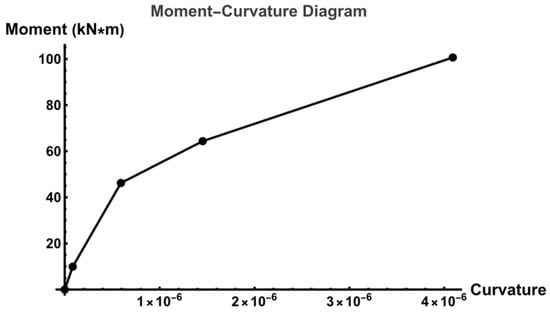
The combined incorporation of crumb rubber (CR) and calcium carbide residue (CCR) in self-compacting concrete (SCC) induces competing and nonlinear effects on its fresh and hardened properties, making the simultaneous optimisation of workability, strength, durability, and stability challenging. CR reduces density and enhances
[...] Read more.
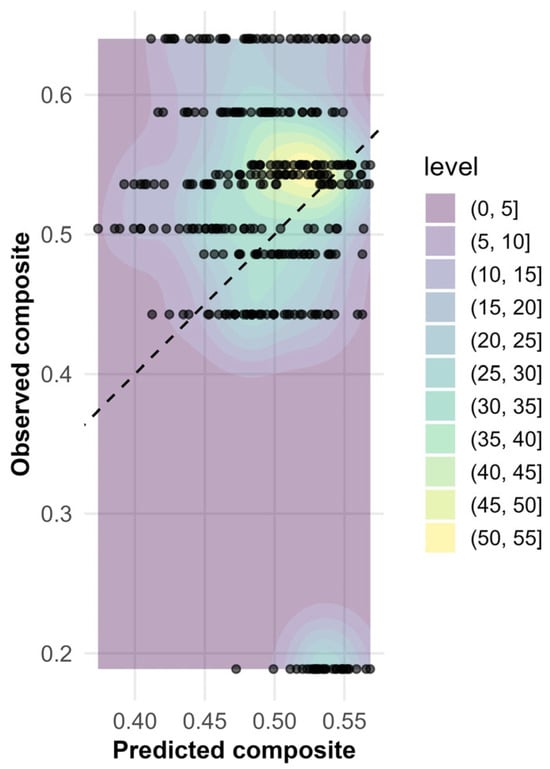
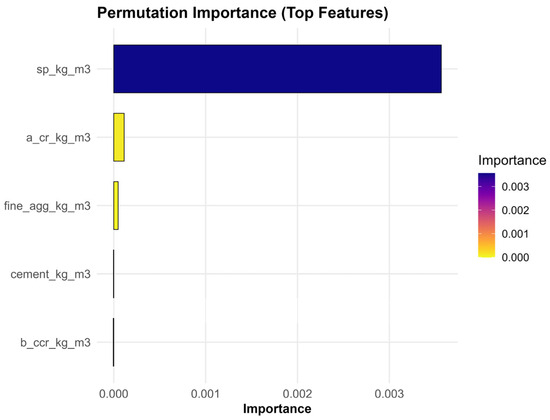
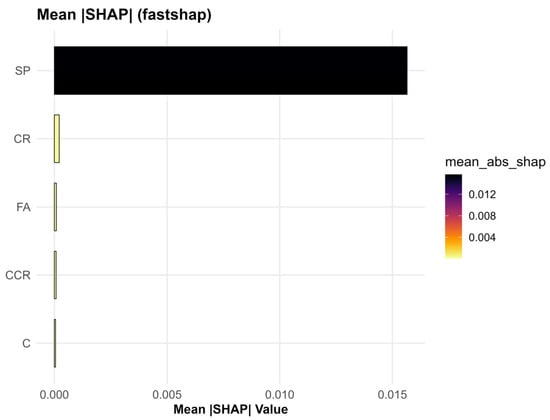
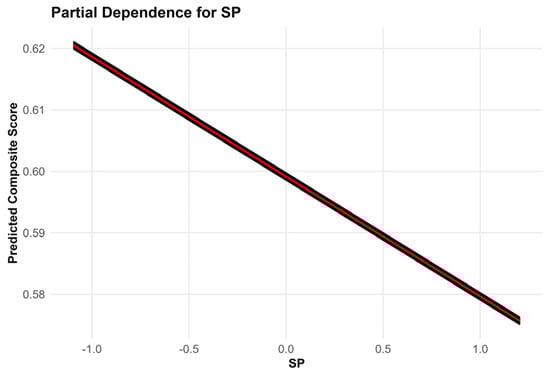
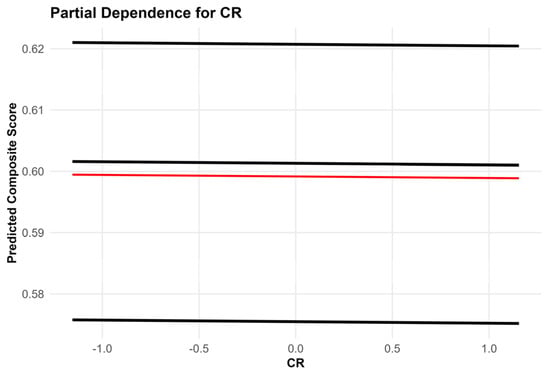
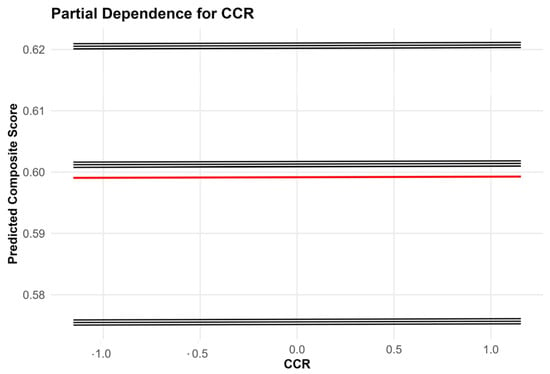
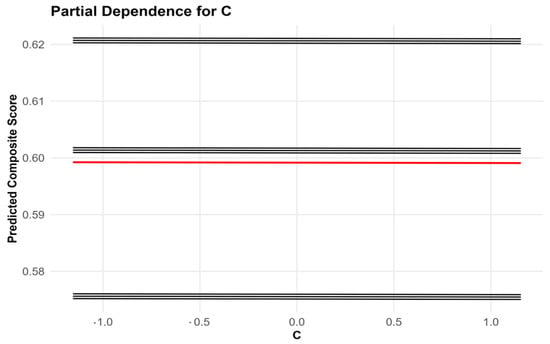
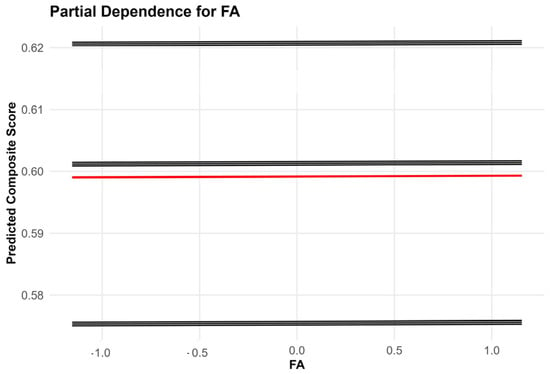
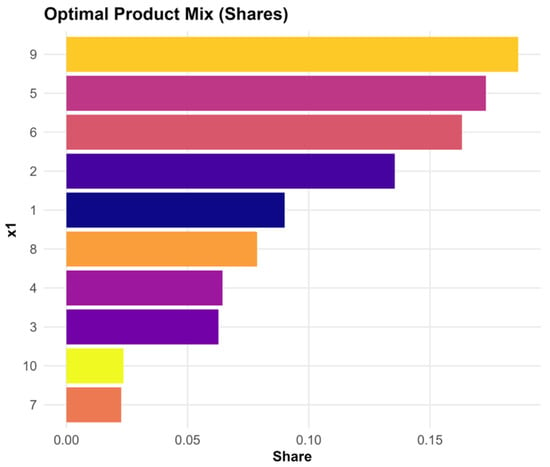
The combined incorporation of crumb rubber (CR) and calcium carbide residue (CCR) in self-compacting concrete (SCC) induces competing and nonlinear effects on its fresh and hardened properties, making the simultaneous optimisation of workability, strength, durability, and stability challenging. CR reduces density and enhances deformability and flow stability but adversely affects strength, whereas CCR improves particle packing, cohesiveness, and early-age strength up to an optimal replacement level. To systematically address these trade-offs, this study proposes an integrated multi-criteria decision-making (MCDM)–explainable machine learning–global optimisation framework for sustainable SCC mix design. A composite performance score encompassing fresh, mechanical, durability, and thermal indicators is constructed using a weighted MCDM scheme and learned through surrogate machine-learning models. Three learners—glmnet, ranger, and xgboost—are tuned using v-fold cross-validation, with xgboost demonstrating the highest predictive fidelity. Given the limited experimental dataset, bootstrap out-of-bag validation is employed to ensure methodological robustness. Model-agnostic interpretability, including permutation importance, SHAP analysis, and partial-dependence plots, provides physical transparency and reveals that CR and CCR exert strong yet opposing influences on the composite response, with CCR partially compensating for CR-induced strength losses through enhanced cohesiveness. Differential Evolution (DEoptim) applied to the trained surrogate identifies optimal material proportions within a continuous design space, favouring mixes with 5–10% CCR and limited CR content. Among the evaluated mixes, 0% CR–5% CCR delivers the best overall performance, while 20% CR–5% CCR offers a balanced strength–ductility compromise. Overall, the proposed framework provides a transparent, interpretable, and scalable data-driven pathway for optimising SCC incorporating circular materials under competing performance requirements.
Full article
(This article belongs to the Special Issue Sustainable Cementitious Composites)
►▼
Show Figures

Figure 1
Open AccessArticle
Reinforced, Toughened, and Antibacterial Polylactides Facilitated by Multi-Arm Zn/Resin Microsphere-Based Polymers
by
Longchen Zhao, Na Liu, Yu-Lei Shi, Kaitao Zhang, Ying-Jun Xu and Yu Pan
J. Compos. Sci. 2026, 10(2), 75; https://doi.org/10.3390/jcs10020075 - 1 Feb 2026
Abstract
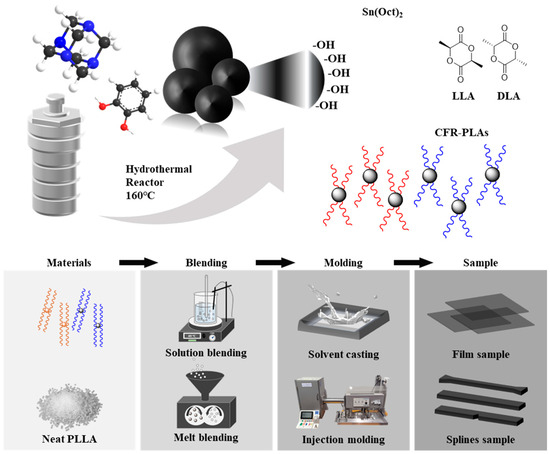
This study presents a novel modified polylactic acid (PLA) composite material engineered to simultaneously achieve enhanced mechanical performance, crystallinity, degradability, and antibacterial activity through the incorporation of multi-arm Zn/CFR-PLA modifiers, derived from ZnO-loaded phenolic resin microspheres. The modifiers were synthesized via ring-opening polymerization
[...] Read more.
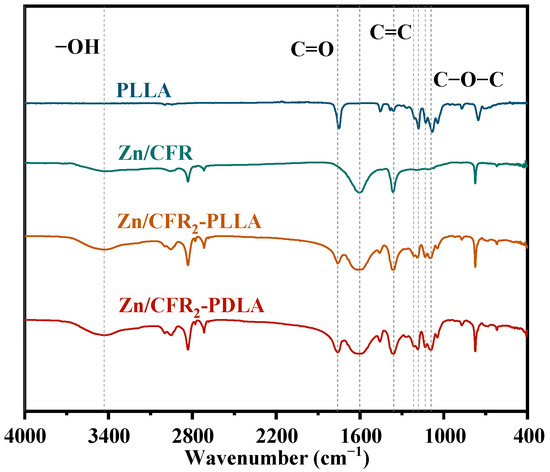
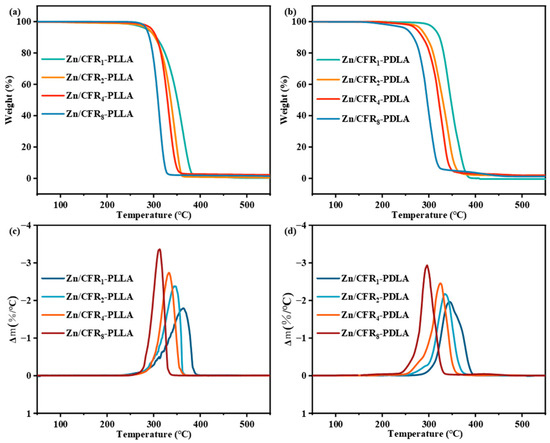
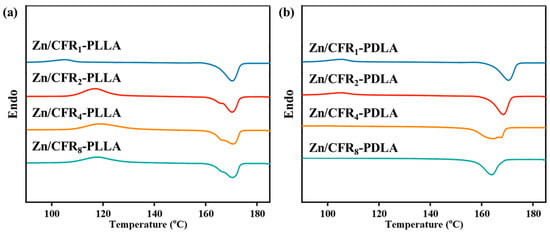
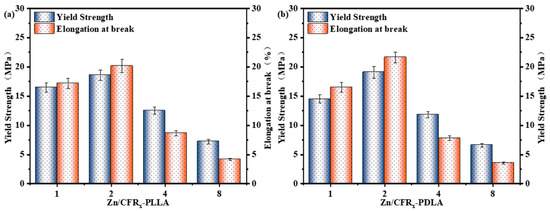
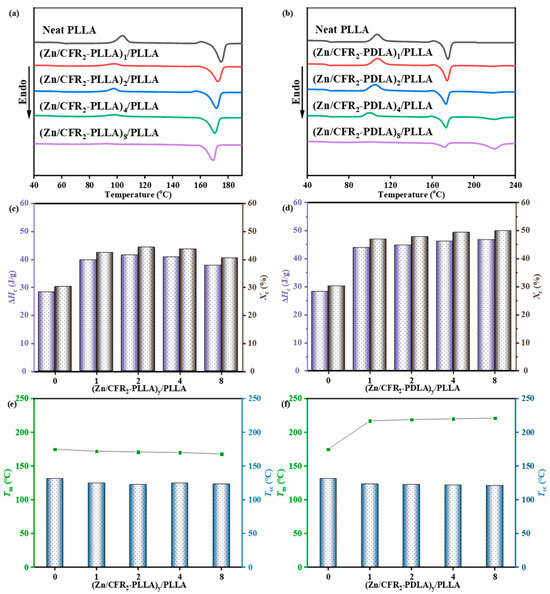
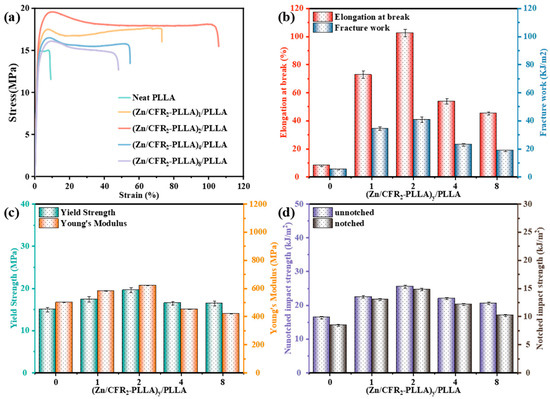
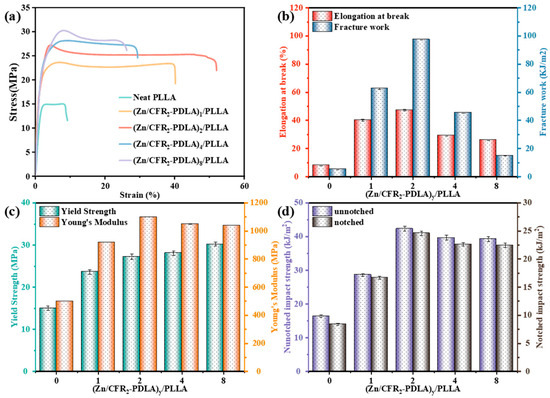
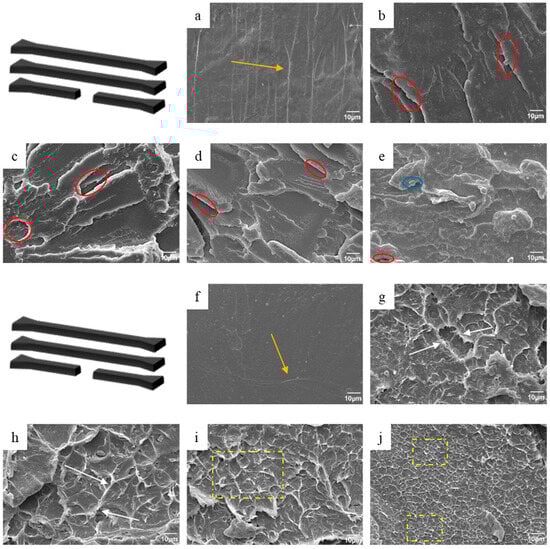
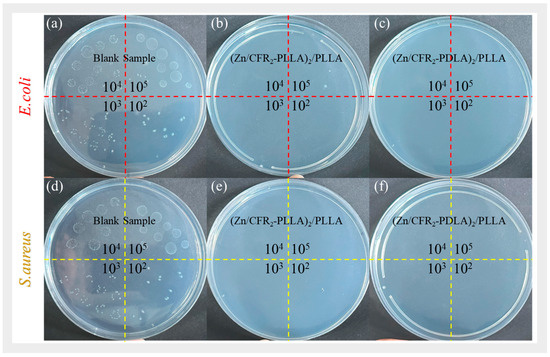
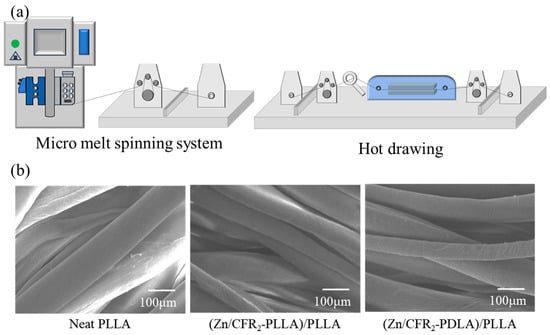
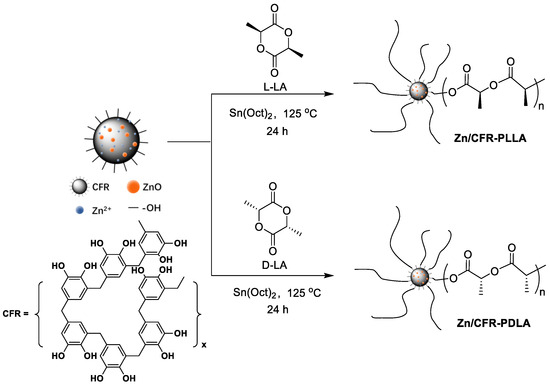
This study presents a novel modified polylactic acid (PLA) composite material engineered to simultaneously achieve enhanced mechanical performance, crystallinity, degradability, and antibacterial activity through the incorporation of multi-arm Zn/CFR-PLA modifiers, derived from ZnO-loaded phenolic resin microspheres. The modifiers were synthesized via ring-opening polymerization (ROP) of lactide, initiated by phenolic resin microspheres with multiple surface hydroxyl groups, where multi-arm architecture was tailored to improve compatibility and interfacial bonding with PLA matrices. Mechanical characterization revealed significant reinforcement and toughening effects: the (Zn/CFR2-PLLA)2/PLLA composite exhibited an elongation at break of 102.7% (≈13-fold higher than pristine PLA) and a tensile strength of 19.6 MPa, alongside markedly improved impact strength. Notably, the Zn/CFR2-PDLA/PLLA composite, leveraging stereocomplex formation between PDLA and PLLA, achieved a higher tensile strength of 27.2 MPa with an elongation at break of 47.3%. Furthermore, the release of zinc ions from the modifiers endowed the composites with exceptional antibacterial activity, achieving more than 98% inhibition against Escherichia coli and Staphylococcus aureus. The composites also demonstrated degradability and processability, as melt-spun PLA fibers derived from them exhibited enhanced modulus (up to 4.51 GPa) and moisture-wicking capability. The composites can serve as potential candidates for biodegradable packaging films, antibacterial textiles for medical or hygienic uses, and sustainable materials for consumer products.
Full article
(This article belongs to the Section Polymer Composites)
►▼
Show Figures

Figure 1
Open AccessSystematic Review
The Impact of Sports Drink Exposure on the Colour Stability of Restorative Materials: A Systematic Review
by
Filip Podgórski, Wiktoria Musyt, Kinga Bociong and Kacper Nijakowski
J. Compos. Sci. 2026, 10(2), 74; https://doi.org/10.3390/jcs10020074 - 1 Feb 2026
Abstract
Sports drinks are becoming increasingly popular, especially among young, physically active individuals. The influence of acidic drinks on dental restorative materials, including composites and glass ionomers, is an important concern in conservative dentistry. Acidic conditions can cause material degradation, which may reduce their
[...] Read more.
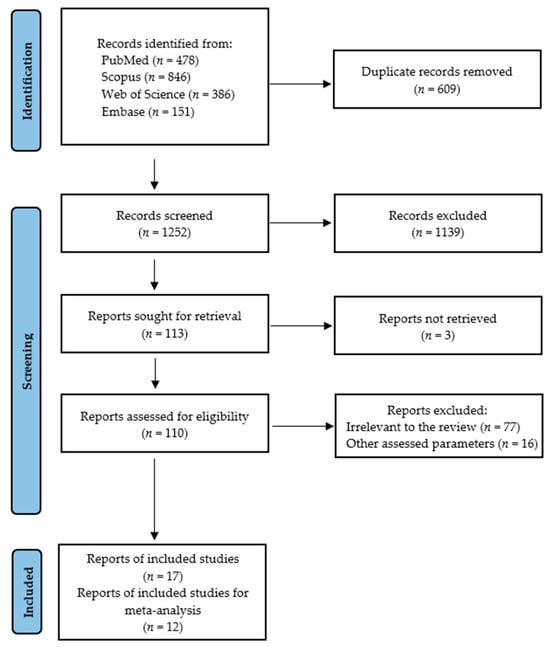
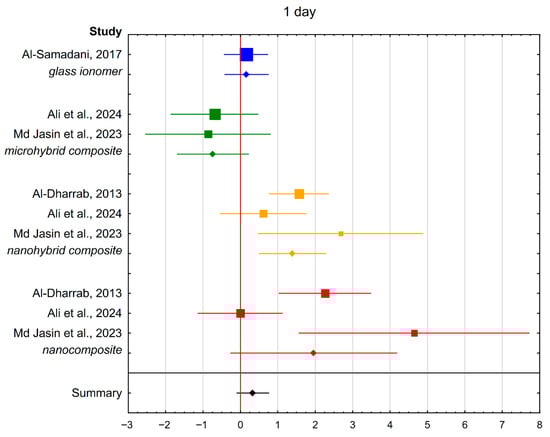
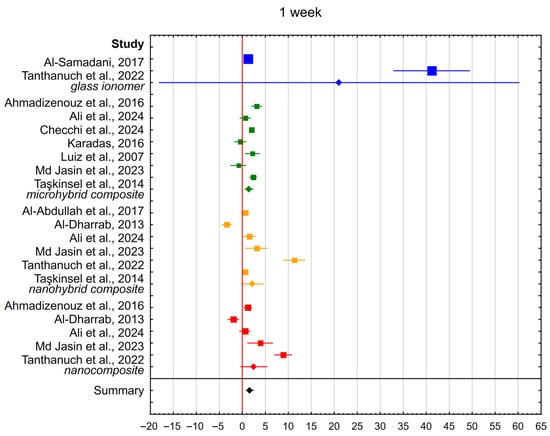
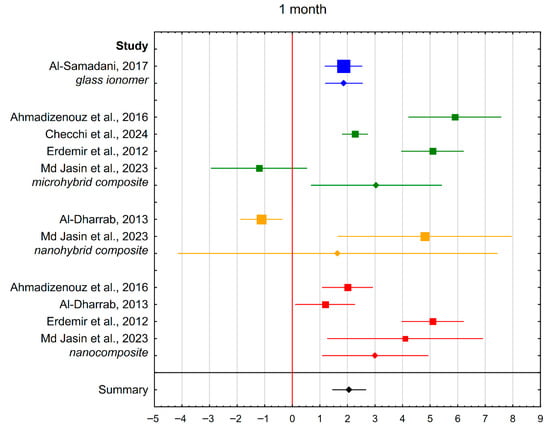
Sports drinks are becoming increasingly popular, especially among young, physically active individuals. The influence of acidic drinks on dental restorative materials, including composites and glass ionomers, is an important concern in conservative dentistry. Acidic conditions can cause material degradation, which may reduce their longevity and clinical performance. We aimed to examine the effect of sports drink exposure on the colour stability of composite and glass ionomer materials. This systematic review was conducted based on records published from 1 January 2005 to 31 December 2024, according to the PRISMA statement guidelines, using the databases PubMed, Scopus, Web of Science, and Embase. Based on the established inclusion and exclusion criteria, 17 studies were selected for this review, of which 12 were included in a meta-analysis. The meta-analysis demonstrated a statistically significant increase in colour change (ΔE) for microhybrid composites and nanocomposites after immersion in sports drinks for one month (SMD = 3.04; 95% CI: 0.67 to 5.41, and SMD = 3.00; 95% CI: 1.08 to 4.92, respectively). No such significant differences were observed for nanohybrid materials (SMD = 1.64; p-value = 0.579). Despite the findings of this systematic review, the extent of material degradation observed in in vitro studies cannot be directly translated to clinical oral conditions, as factors such as salivary buffering capacity and variable exposure to sports drinks influence outcomes.
Full article
(This article belongs to the Section Biocomposites)
►▼
Show Figures

Figure 1
Open AccessArticle
Patterns of Degradation of Binary Mixtures of Ultrafine Fibers Based on Poly-(3-Hydroxybutyrate) and Polyvinylpyrrolidone Under the Action of Ozonolysis
by
Svetlana G. Karpova, Anatoly A. Olkhov, Ekaterina P. Dodina, Ivetta A. Varyan, Yulia K. Lukanina, Natalia G. Shilkina, Valery S. Markin, Anatoly A. Popov, Alexandr V. Shchegolkov and Aleksei V. Shchegolkov
J. Compos. Sci. 2026, 10(2), 73; https://doi.org/10.3390/jcs10020073 - 1 Feb 2026
Abstract
To obtain data on the effects of ozonolysis on the structural and dynamic parameters of ultrafine fibers based on the binary compositions of poly-(3-hydroxybutyrate) (PHB) and polyvinylpyrrolidone (PVP) with varying ratios of polymer components ranging from 0/100 to 100/0 mass%, produced by electrospinning,
[...] Read more.
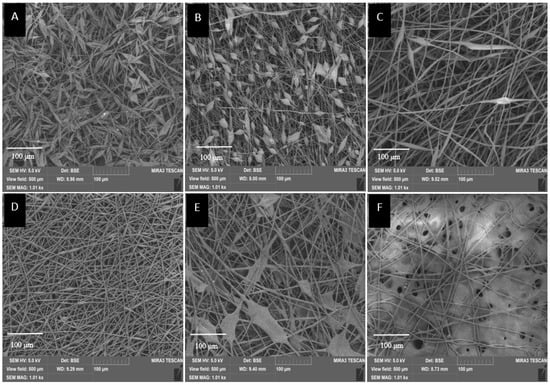
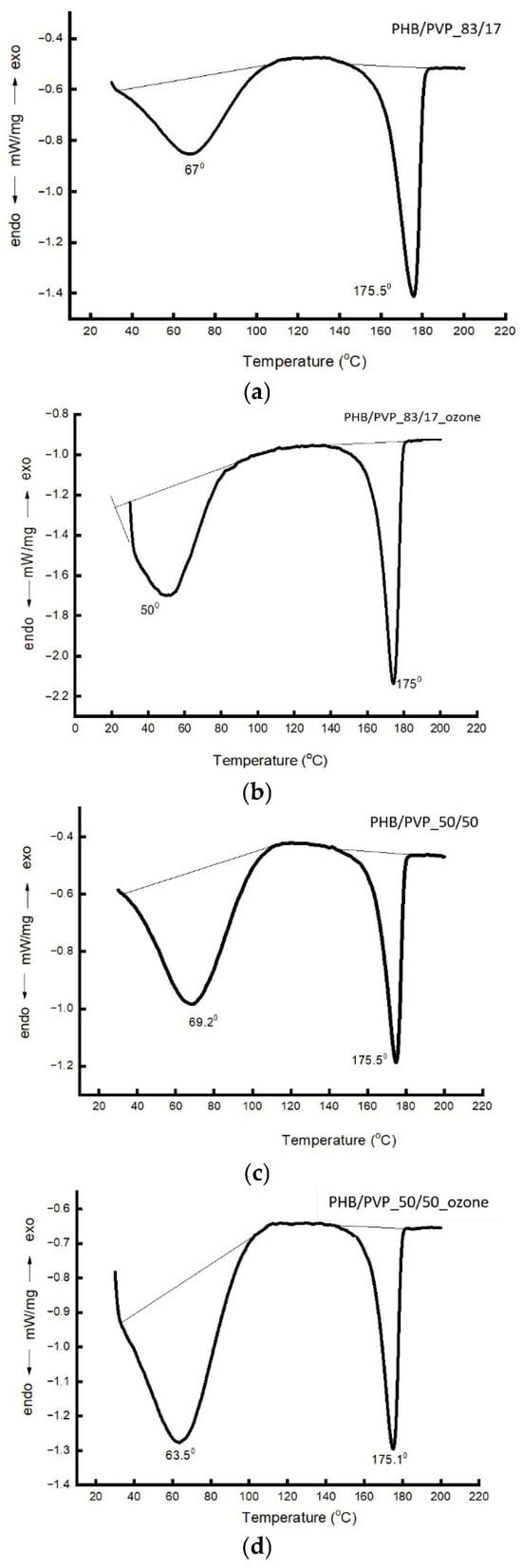
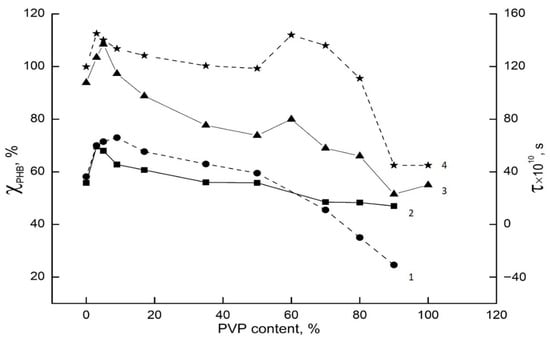
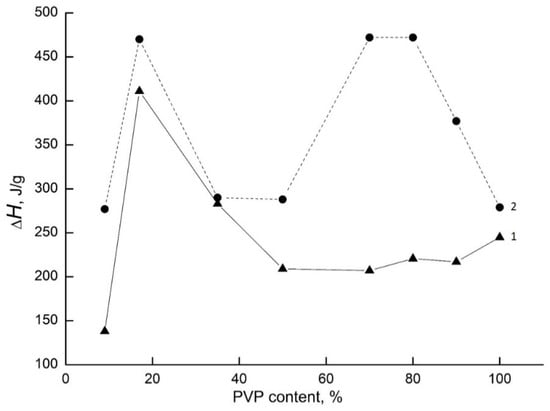
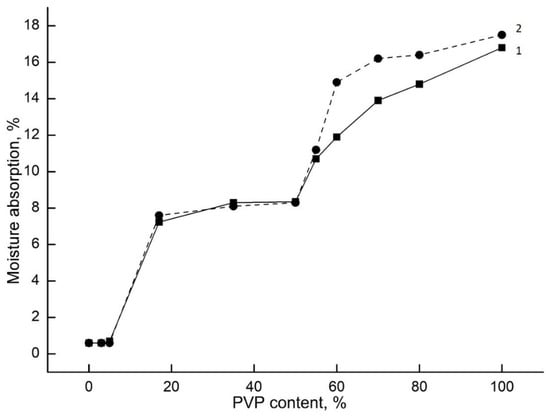
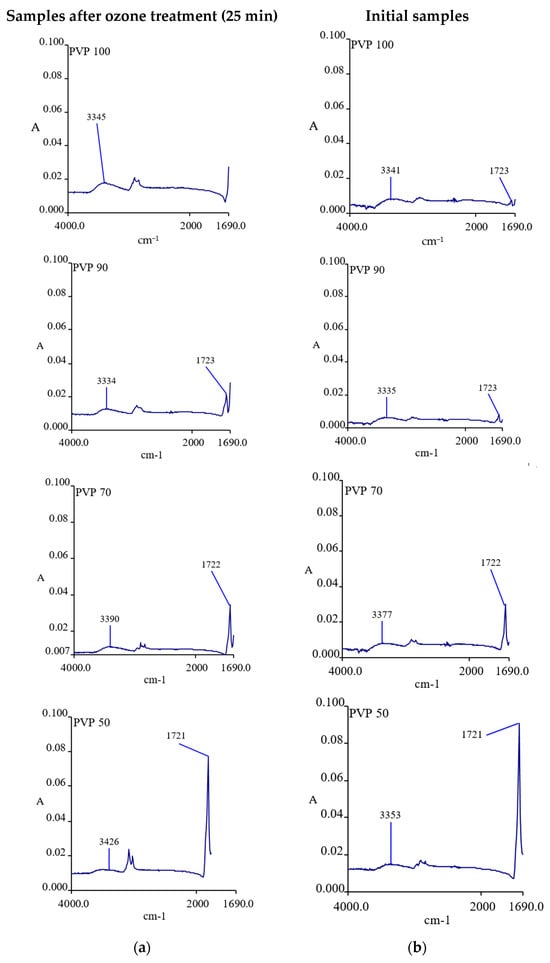
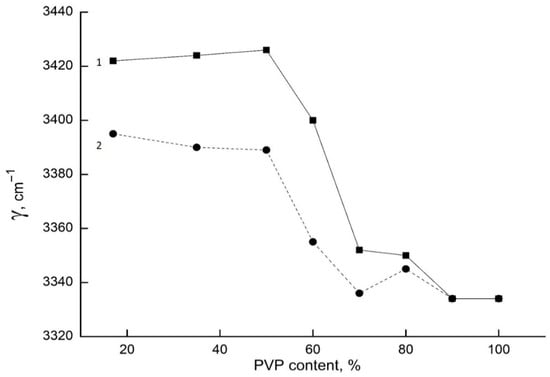
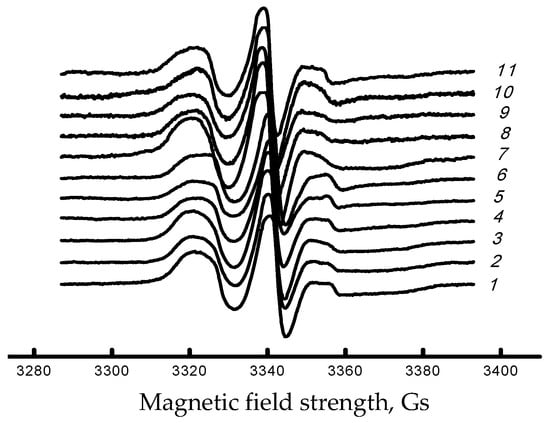
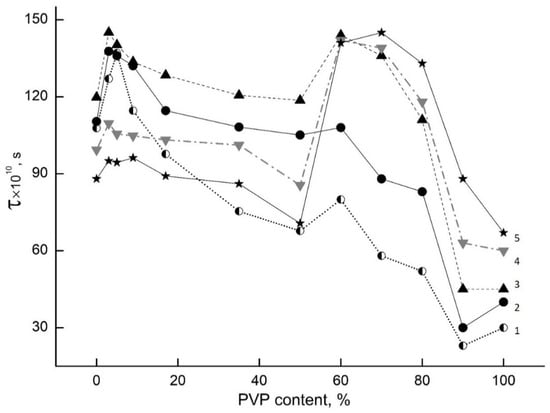
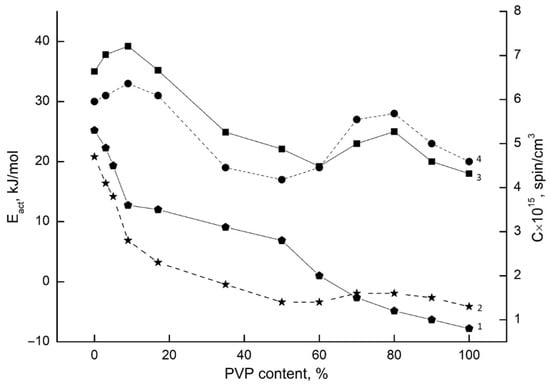
To obtain data on the effects of ozonolysis on the structural and dynamic parameters of ultrafine fibers based on the binary compositions of poly-(3-hydroxybutyrate) (PHB) and polyvinylpyrrolidone (PVP) with varying ratios of polymer components ranging from 0/100 to 100/0 mass%, produced by electrospinning, a study was conducted. The morphology and structural–dynamic characteristics of the ultrafine fibers were examined. Comprehensive research was carried out, combining thermophysical measurements (DSC), dynamic measurements using an electron paramagnetic resonance (EPR) technique, scanning electron microscopy, and infrared spectroscopy. The influence of the mixture’s composition and ozonolysis on the degree of crystallinity of PHB and the molecular mobility of the TEMPO radical (tetramethylpiperidine-1-oxyl) in the amorphous regions of the PHB/PVP fiber material was demonstrated. The low-temperature maximum on the DSC thermograms provided information about the fraction of hydrogen bonds in the mixed compositions, allowing for the enthalpy of thermal destruction of these bonds in both the original and oxidized samples to be determined. The study showed significant changes in the degree of crystallinity of PHB, the enthalpy of hydrogen bond destruction, molecular mobility, moisture absorption of the compositions, and the activation energy of rotational diffusion in the amorphous regions of the PHB/PVP mixed compositions. It was established that within the 50/50% PHB/PVP ratio, an inversion transition occurs from the dispersion material to the dispersion medium. Ozonolysis induces a sharp change in the material’s structure. The conducted research provided the first opportunity to assess the impact of ozonolysis on the structural and dynamic characteristics of PHB/PVP ultrafine fibers at a molecular level. These materials may serve as a therapeutic system for controlled drug delivery.
Full article
(This article belongs to the Special Issue Mechanical Behaviour of Composite Materials for Biomedical Applications)
►▼
Show Figures

Figure 1
Open AccessArticle
Comprehensive Insights into Friction Stir Butt Welding (FSBW) of 3D-Printed Novel Nano Chromium (Cr) Particles-Reinforced PLA Composites
by
Syed Farhan Raza, Muhammad Umair Furqan, Sarmad Ali Khan, Khurram Hameed Mughal, Ehsan Ul Haq and Ahmed Murtaza Mehdi
J. Compos. Sci. 2026, 10(2), 72; https://doi.org/10.3390/jcs10020072 - 1 Feb 2026
Abstract
Additive manufacturing (AM) is a significant contributor to Industry 4.0. However, one considerable challenge is usually encountered by AM due to the bed size limitations of 3D printers, which prevent them from being adopted. An appropriate post-joining technique should be employed to address
[...] Read more.
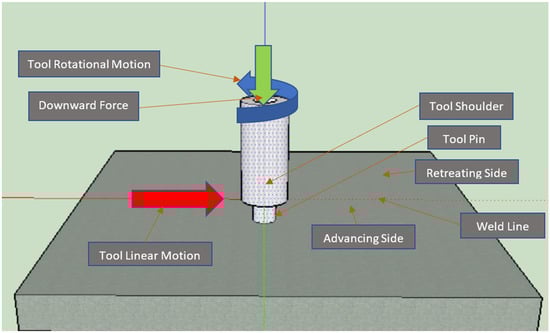
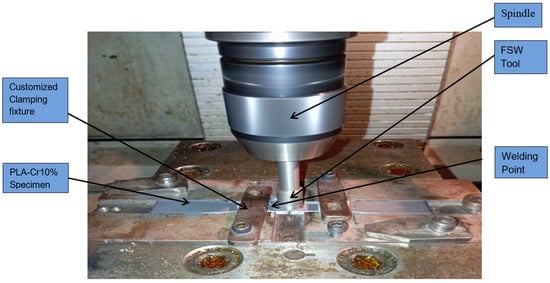
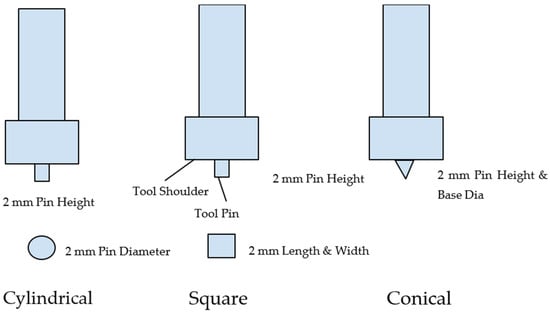
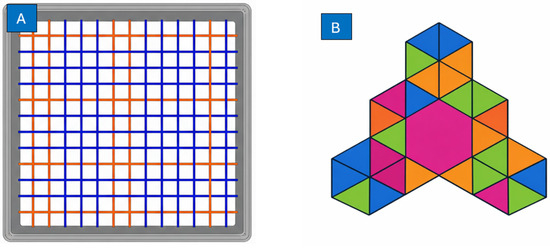
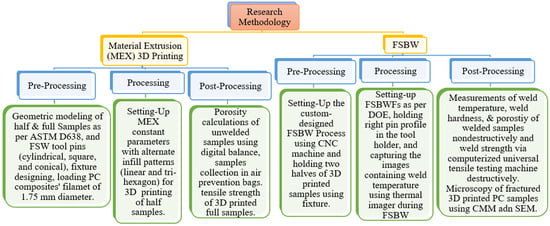
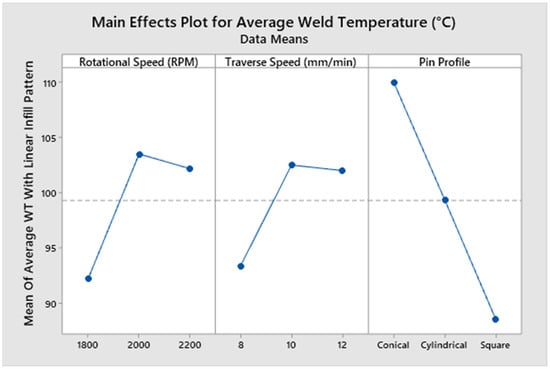
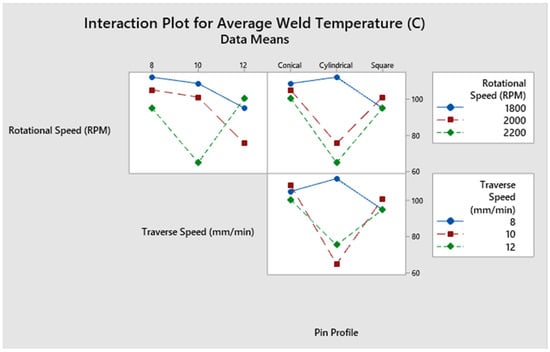
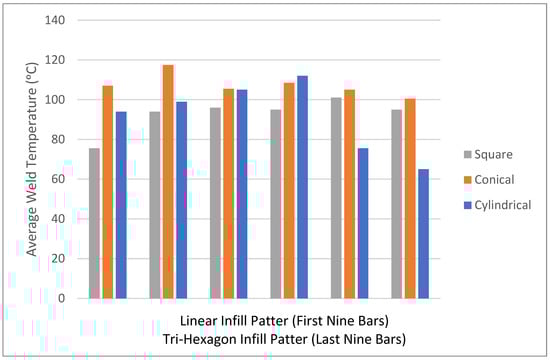
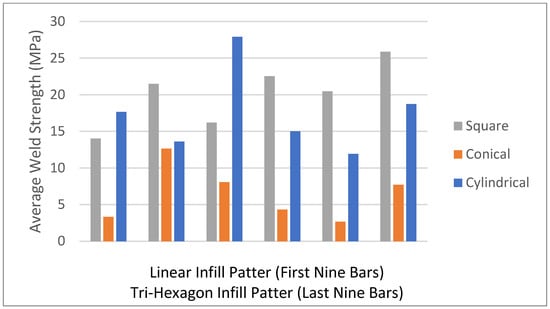
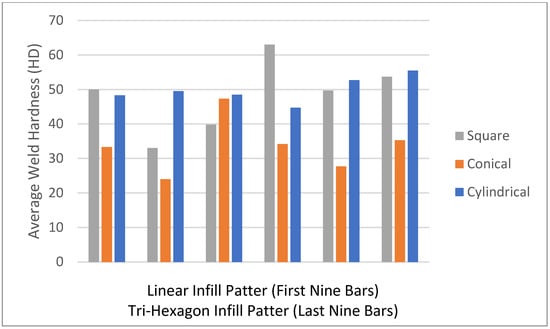
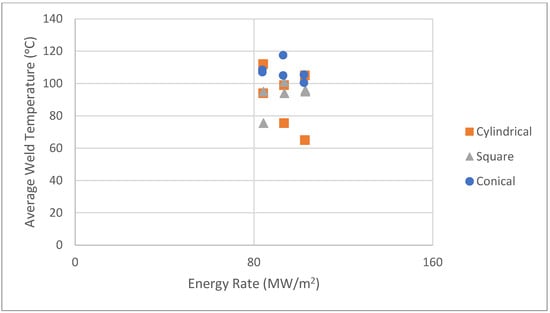
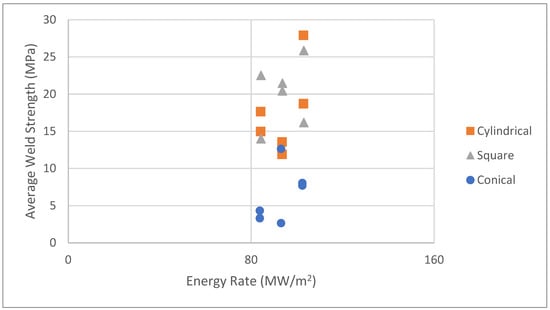
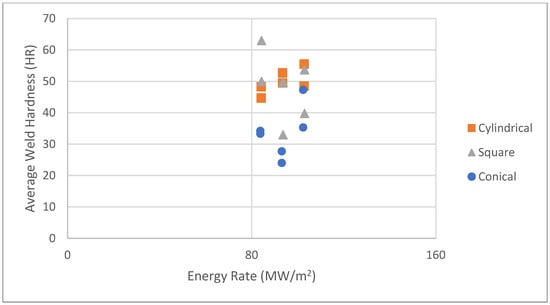
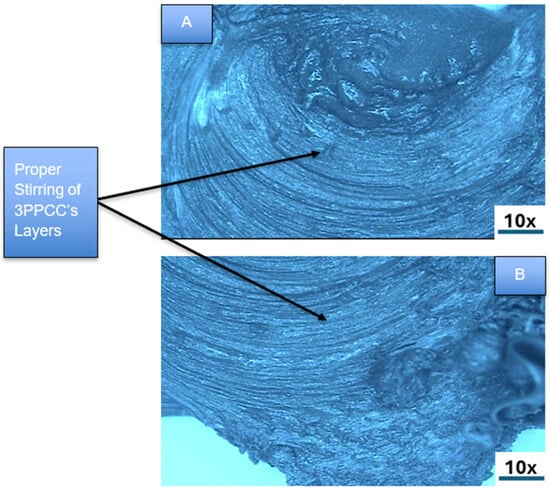
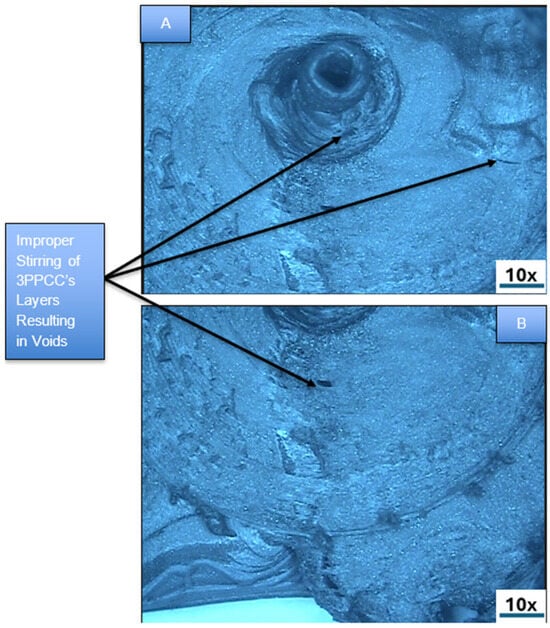
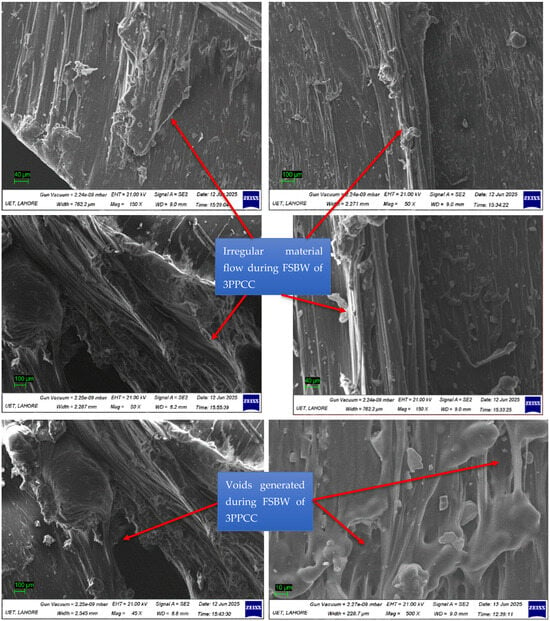
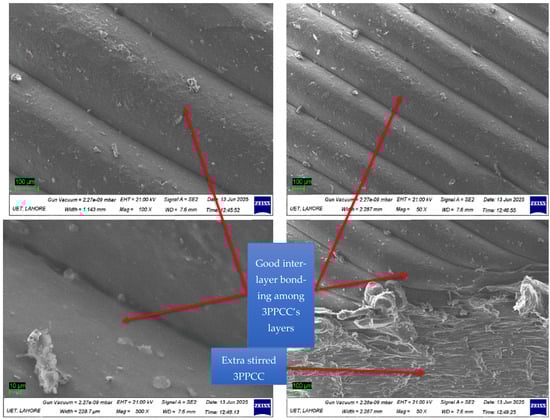
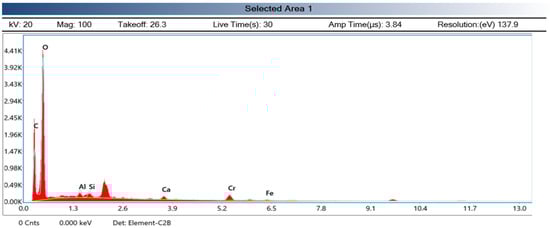
Additive manufacturing (AM) is a significant contributor to Industry 4.0. However, one considerable challenge is usually encountered by AM due to the bed size limitations of 3D printers, which prevent them from being adopted. An appropriate post-joining technique should be employed to address this issue properly. This study investigates the influence of key friction stir butt welding (FSBW) factors (FSBWFs), such as tool rotational speed (TRS), tool traverse speed (TTS), and pin profile (PP), on the weldability of 3D-printed PLA–Chromium (PC) composites (3PPCC). A filament containing 10% by weight of chromium reinforced in PLA was used to prepare samples. The material extrusion additive manufacturing process (MEX) was employed to prepare the 3D-printed PCC. A Taguchi-based design of experiments (DOE) (L9 orthogonal array) was employed to systematically assess weld hardness (WH), weld temperature (WT), weld strength (WS), and weld efficiency. As far as the 3D-printed samples were concerned, two distinct infill patterns (linear and tri-hexagonal) were also examined to evaluate their effect on joint performance; however, all other 3D printing factors were kept constant. Experimentally validated findings revealed that weld efficiency varied significantly with PP and infill pattern, with the square PP and tri-hexagonal infill pattern yielding the highest weld efficiency, i.e., 108%, with the corresponding highest WS of 30 MPa. The conical PP resulted in reduced WS. Hardness analysis demonstrated that tri-hexagonal infill patterns exhibited superior hardness retention, i.e., 46.1%, as compared to that of linear infill patterns, i.e., 34%. The highest WTs observed with conical PP were 132 °C and 118 °C for both linear and tri-hexagonal infill patterns, which were far below the melting point of PLA. The lowest WT was evaluated to be 65 °C with a tri-hexagonal infill, which is approximately equal to the glass transition temperature of PLA. Microscopic analysis using a coordinate measuring machine (CMM) indicated that optimal weld zones featured minimal void formation, directly contributing to improved weld performance. In addition, scanning electron microscopy (SEM) and energy-dispersive X-ray spectroscopy (EDX) were also performed on four deliberately selected samples to examine the microstructural features and elemental distribution in the weld zones, providing deeper insight into the correlation between morphology, chemical composition, and weld performance.
Full article
(This article belongs to the Special Issue Welding and Friction Stir Processes for Composite Materials)
►▼
Show Figures

Figure 1
Open AccessArticle
Feasibility Study of a Pre-Swelling Microwave-Assisted Recycling Method for GFRP Waste
by
Yixue Zhang, Stefanie Verschuere, Joachim Eliat-Eliat and Jan Ivens
J. Compos. Sci. 2026, 10(2), 71; https://doi.org/10.3390/jcs10020071 - 1 Feb 2026
Abstract
The growing volume of decommissioned wind turbine blades, primarily made of glass fibre-reinforced polymers (GFRP), poses major recycling challenges. This study explores a microwave (MW)-assisted thermochemical recycling to recover high-quality fibres from GFRP waste. Two routes were evaluated: (i) a dry route using
[...] Read more.
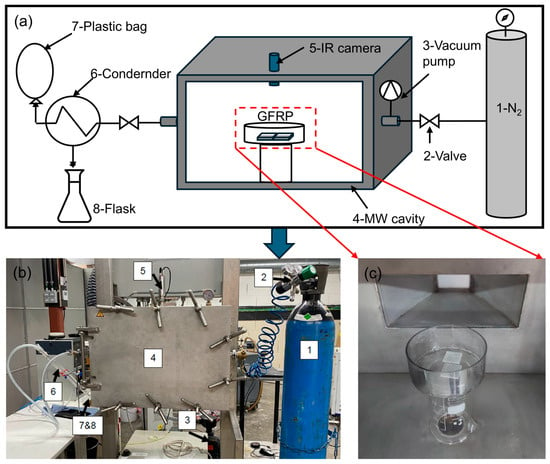
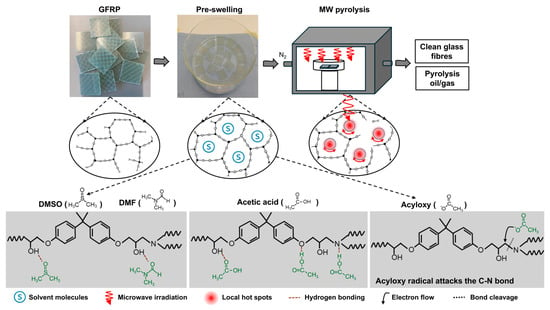
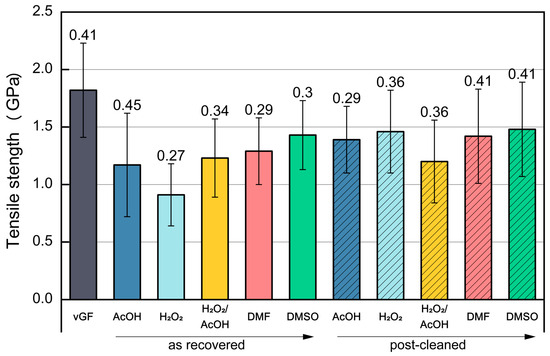
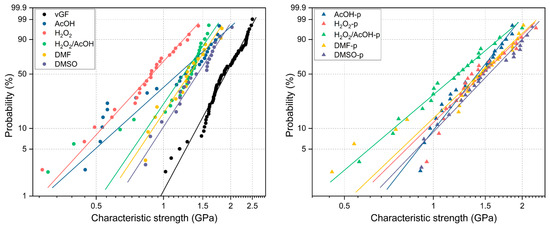
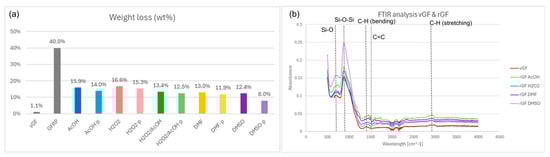
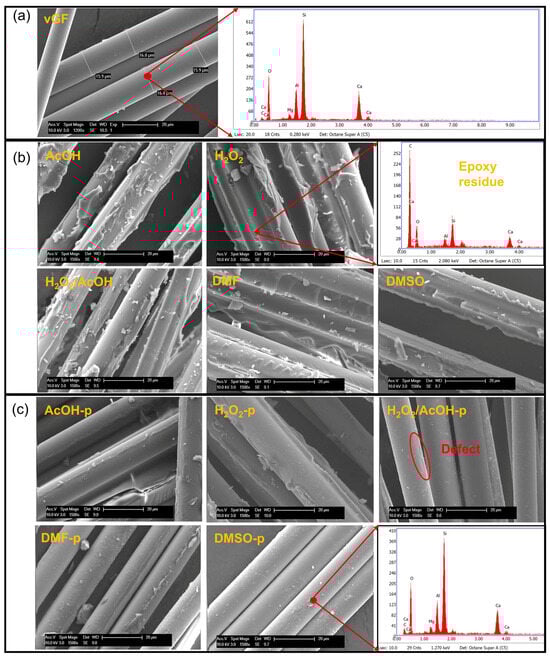
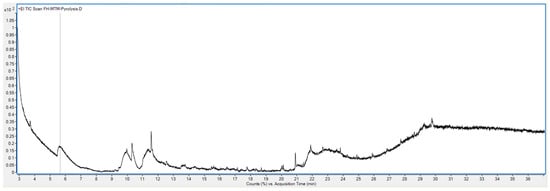
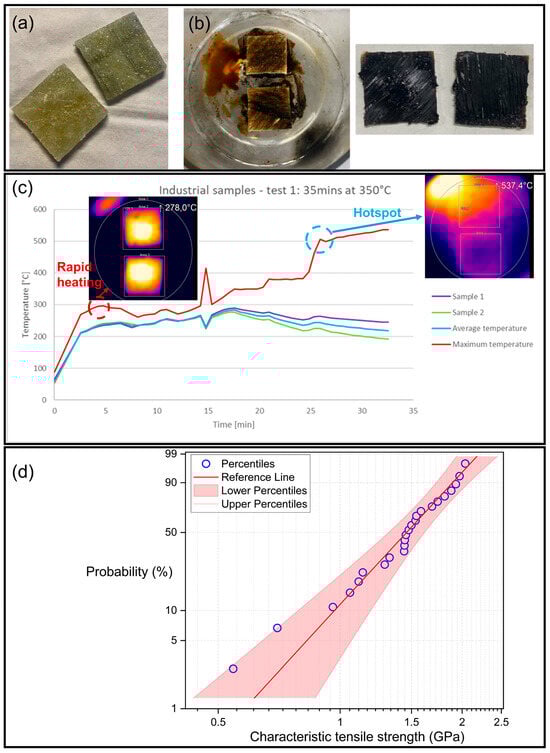
The growing volume of decommissioned wind turbine blades, primarily made of glass fibre-reinforced polymers (GFRP), poses major recycling challenges. This study explores a microwave (MW)-assisted thermochemical recycling to recover high-quality fibres from GFRP waste. Two routes were evaluated: (i) a dry route using direct MW heating, and (ii) a semi-wet route involving solvent pre-swelling followed by microwave pyrolysis. The dry route suffered from poor heating due to GFRP’s inherently low dielectric loss, whereas the semi-wet route enabled more effective resin degradation. Five swelling agents were tested: acetic acid (AcOH), hydrogen peroxide (H2O2), an AcOH/H2O2 mixture, dimethylformamide (DMF), and dimethyl sulfoxide (DMSO). Among these, DMSO achieved 92% resin removal in 9 min at 350 °C. Recycled fibres retained 1.48 ± 0.41 GPa strength (81% of virgin). Gas chromatography–mass spectrometry (GC–MS) analysis of pyrolysis oils revealed predominantly phenolic products with limited bisphenol A (BPA) retention. To demonstrate practical relevance, the semi-wet method was applied to real wind blade waste, where recovered fibres retained 72% of their tensile strength versus virgin fibres. These results indicate that the process remains effective for industrially aged GFRP. This study confirms the feasibility of MW-based semi-wet recycling and offers insights to support future process refinement, which will ultimately contribute to more sustainable end-of-life solutions for GFRP waste.
Full article
(This article belongs to the Special Issue Sustainable Polymer Composites: Waste Reutilization and Valorization)
►▼
Show Figures

Figure 1
Open AccessArticle
Comparative DFT Study of Lignocellulosic Binders on N- and S-Monodoped Graphene for Sustainable Li-Ion Battery Electrodes
by
Joaquín Alejandro Hernández Fernández, Juan Carrascal and Jose Alfonso Prieto Palomo
J. Compos. Sci. 2026, 10(2), 70; https://doi.org/10.3390/jcs10020070 - 31 Jan 2026
Abstract
Heteroatom functionalization of graphene is an effective strategy for designing more sustainable lithium-ion battery electrodes, as it can tune both interfacial adhesion and the electronic features of the carbon lattice. In this work, we investigated the interfacial compatibility between three graphene sheets—pristine graphene,
[...] Read more.
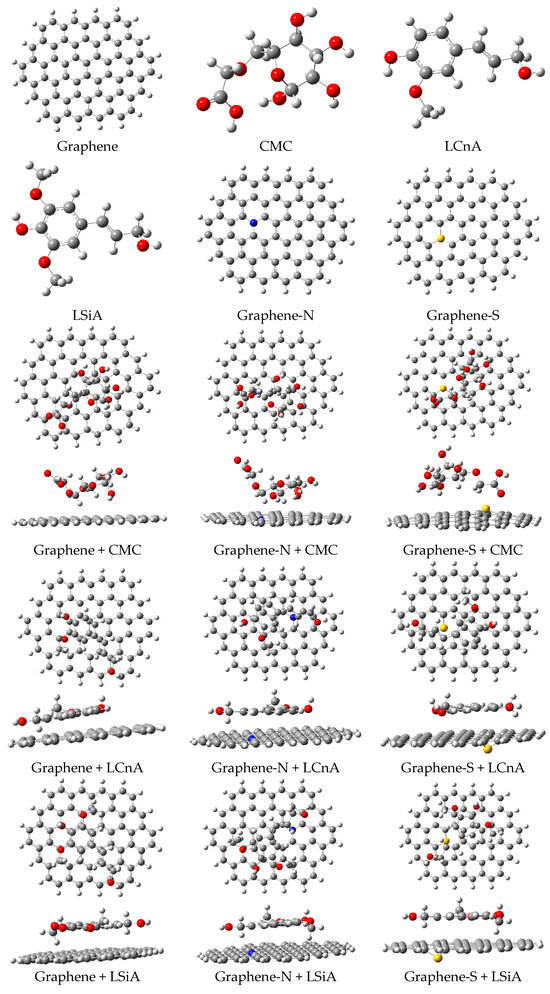
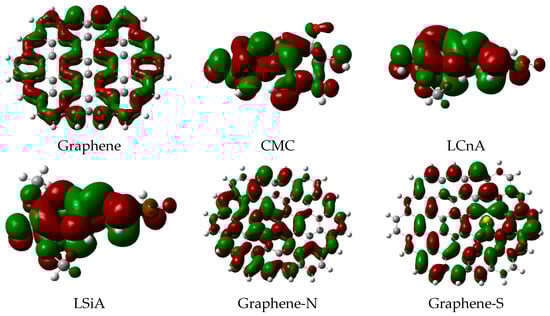
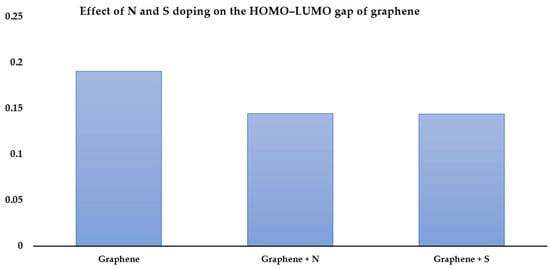
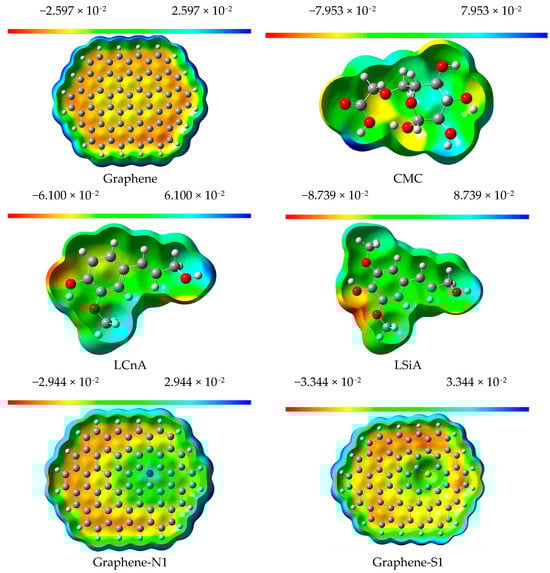
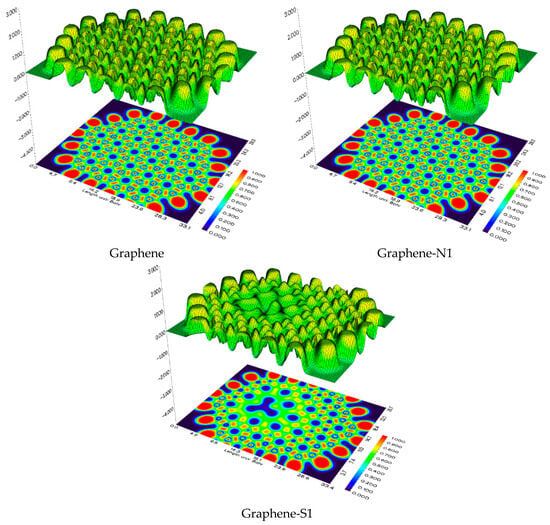
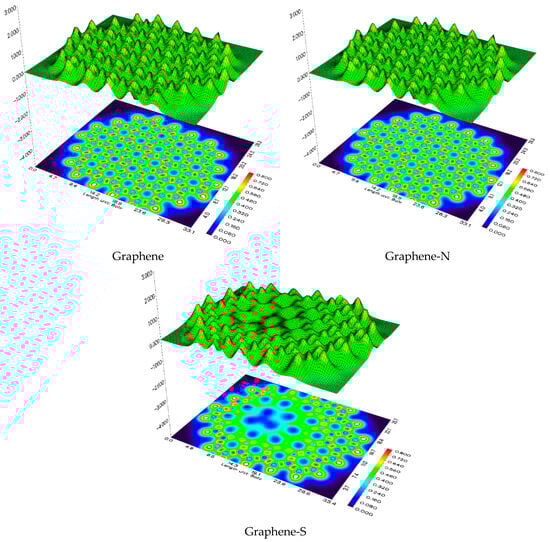
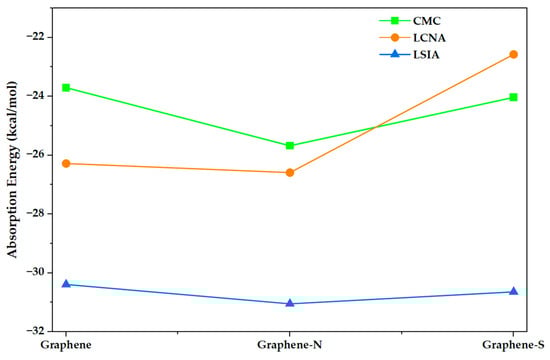
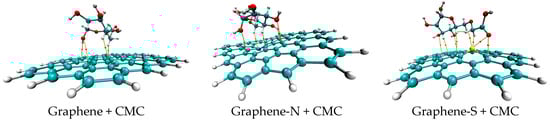
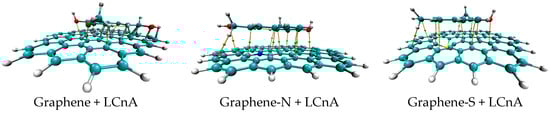
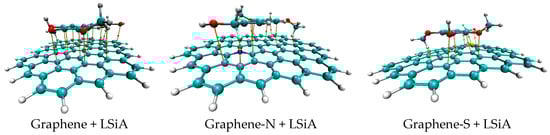
Heteroatom functionalization of graphene is an effective strategy for designing more sustainable lithium-ion battery electrodes, as it can tune both interfacial adhesion and the electronic features of the carbon lattice. In this work, we investigated the interfacial compatibility between three graphene sheets—pristine graphene, graphene doped with one nitrogen atom (Graphene–N), and graphene doped with one sulfur atom (Graphene–S)—and three lignocellulosic binders (carboxymethylcellulose (CMC); coniferyl alcohol (LcnA); and sinapyl alcohol (LsiA)) using density functional theory (DFT). Geometries were optimized using CAM-B3LYP and M06-2X in combination with the LANL2DZ basis set, while ωB97X-D/LANL2DZ was employed for dispersion-consistent single-point refinements. The computed adsorption energies indicate that all binder–surface combinations are thermodynamically favorable within the present finite-model framework (ΔEint ≈ −22.6 to −31.1 kcal·mol−1), with LSiA consistently showing the strongest stabilization across surfaces. Nitrogen doping produces a modest but systematic strengthening of adsorption relative to pristine graphene for all binders and is accompanied by electronic signatures consistent with localized donor/basic sites while preserving the delocalized π framework. In contrast, sulfur doping yields a more binder-dependent response: it maintains strong stabilization for LSiA but weakens LCnA relative to pristine/N-doped sheets, consistent with an S-induced local distortion/polarizability pattern that can alter optimal π–π registry depending on the adsorption geometry. A combined interpretation of adsorption energies, electronic descriptors (including ΔEgap as a model-dependent HOMO–LUMO separation), and topological analyses (AIM, ELF, LOL, and MEP) supports that Graphene–N provides the best overall balance between electronic continuity and chemically active interfacial sites, whereas Graphene–S can enhance localized anchoring but introduces more heterogeneous, lone-pair–dominated domains that may partially perturb electronic connectivity.
Full article
(This article belongs to the Section Composites Applications)
►▼
Show Figures

Figure 1
Journal Menu
► ▼ Journal Menu-
- J. Compos. Sci. Home
- Aims & Scope
- Editorial Board
- Reviewer Board
- Topical Advisory Panel
- Instructions for Authors
- Special Issues
- Topics
- Sections & Collections
- Article Processing Charge
- Indexing & Archiving
- Editor’s Choice Articles
- Most Cited & Viewed
- Journal Statistics
- Journal History
- Journal Awards
- Conferences
- Editorial Office
Journal Browser
► ▼ Journal BrowserHighly Accessed Articles
Latest Books
E-Mail Alert
News
Topics
Topic in
Fibers, J. Compos. Sci., Materials, Polymers, Applied Mechanics
Advances in Fiber–Matrix Interface: Cohesion Enhancement, Characterization and Modeling of Interfacial Debonding
Topic Editors: Quentin Bourgogne, Hamid Zahrouni, Hubert ChapuisDeadline: 28 February 2026
Topic in
Materials, Ceramics, J. Compos. Sci.
New Advances in High-Performance Structural Ceramics and Their Composites
Topic Editors: Amparo Borrell, Rut Benavente, Rujie HeDeadline: 31 March 2026
Topic in
Alloys, Applied Mechanics, Crystals, J. Compos. Sci., Powders, Nanomaterials
Multiscale Characterization, Mechanical Behavior and Computational Simulation of Bulk Materials, Metallic Powders and/or Nanoparticles
Topic Editors: Xiangnan Pan, Qing Peng, Hui Qi, Raj DasDeadline: 30 June 2026
Topic in
Fibers, J. Compos. Sci., JMMP, Materials, Polymers, Recycling
Advanced Composites Manufacturing and Plastics Processing, 2nd Volume
Topic Editors: Patricia Krawczak, Ludwig Cardon, Frederik DesplentereDeadline: 1 September 2026
Conferences
Special Issues
Special Issue in
J. Compos. Sci.
Theoretical and Computational Investigation on Composite Materials
Guest Editor: Zhong HuDeadline: 15 February 2026
Special Issue in
J. Compos. Sci.
Advances in Carbon Bionanocomposites: Recent Innovations and Applications
Guest Editors: Carlos Pereira, A. Fernando Silva, José Miguel Campiña PinaDeadline: 15 February 2026
Special Issue in
J. Compos. Sci.
Advances in Biocomposite Materials for Regenerative Medicine and Biomedical Applications
Guest Editor: Paolo SavadoriDeadline: 25 February 2026
Special Issue in
J. Compos. Sci.
Editorial Board Members' Collection Series: Mechanical Analysis of Composite Materials
Guest Editors: Jacques Lamon, Jacob Aboudi, Xin-Lin GaoDeadline: 28 February 2026
Topical Collections
Topical Collection in
J. Compos. Sci.
Editorial Board Members’ Collection Series: Fibre Composite Materials
Collection Editors: Hom Nath Dhakal, Mazeyar Parvinzadeh Gashti, Esfandiar Pakdel